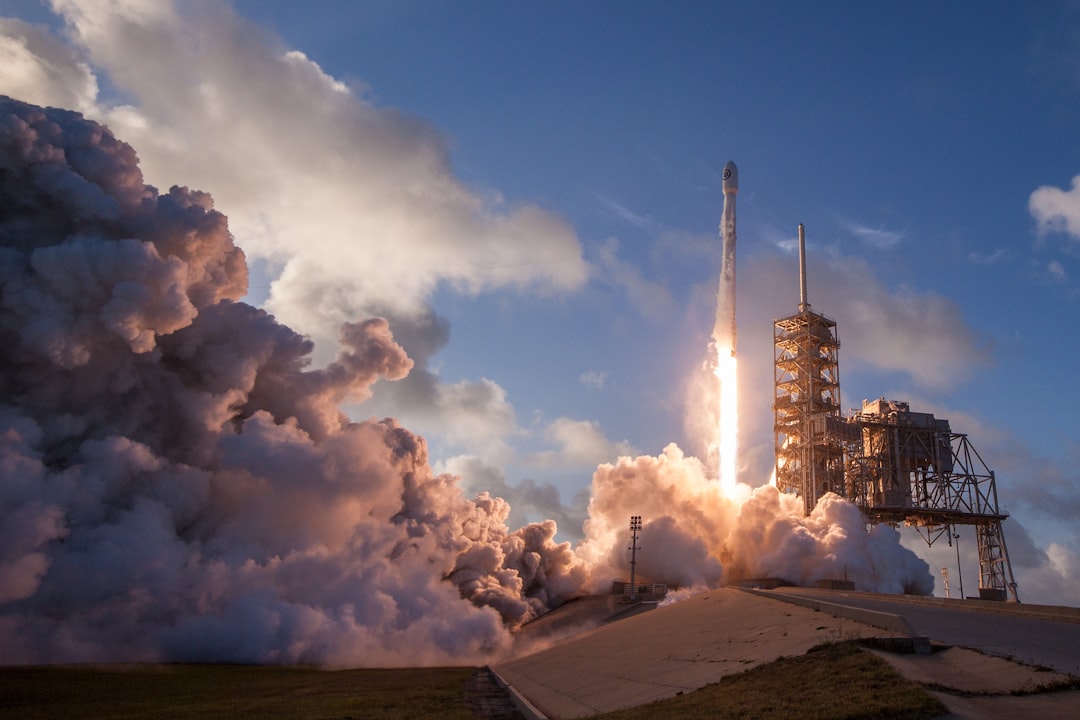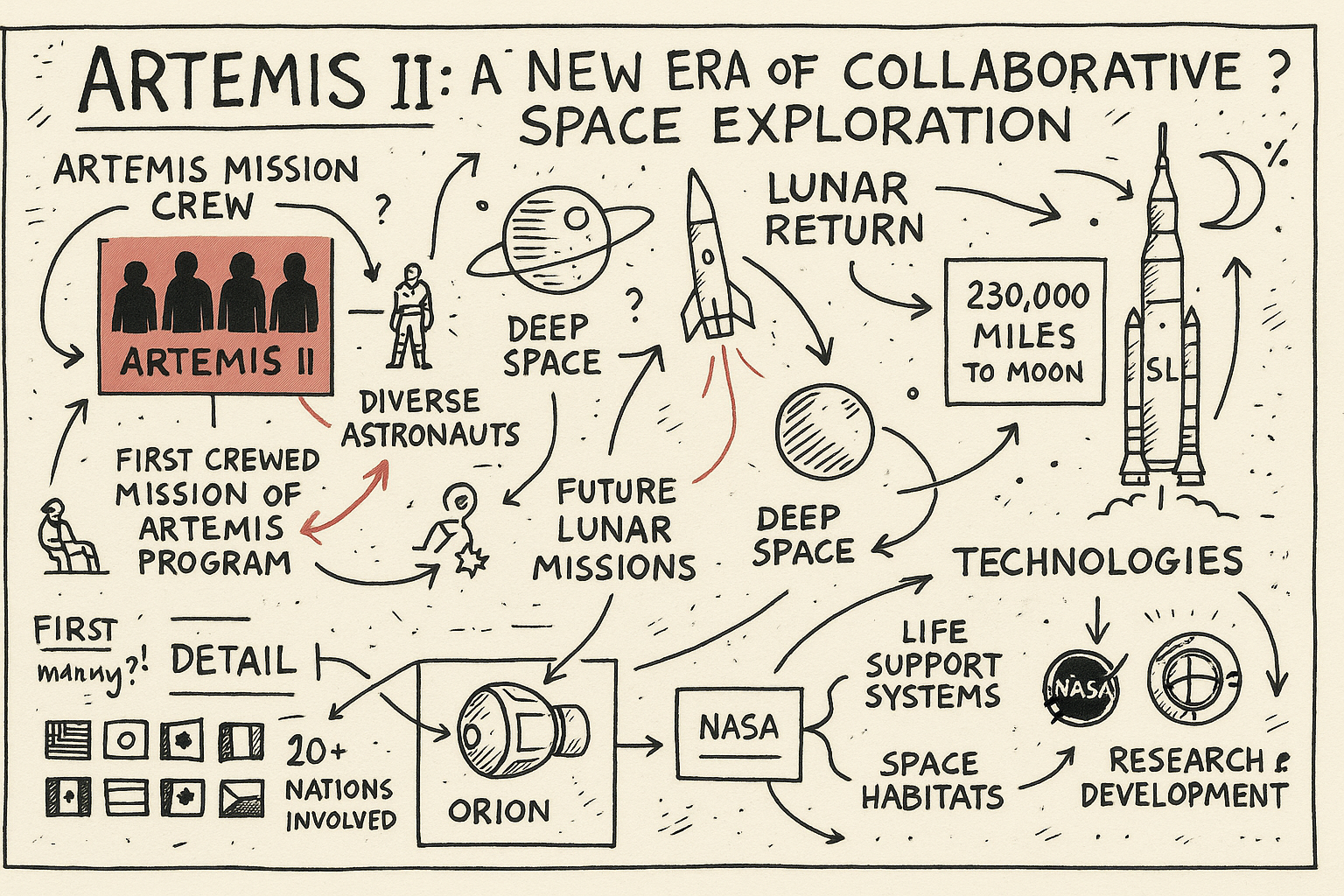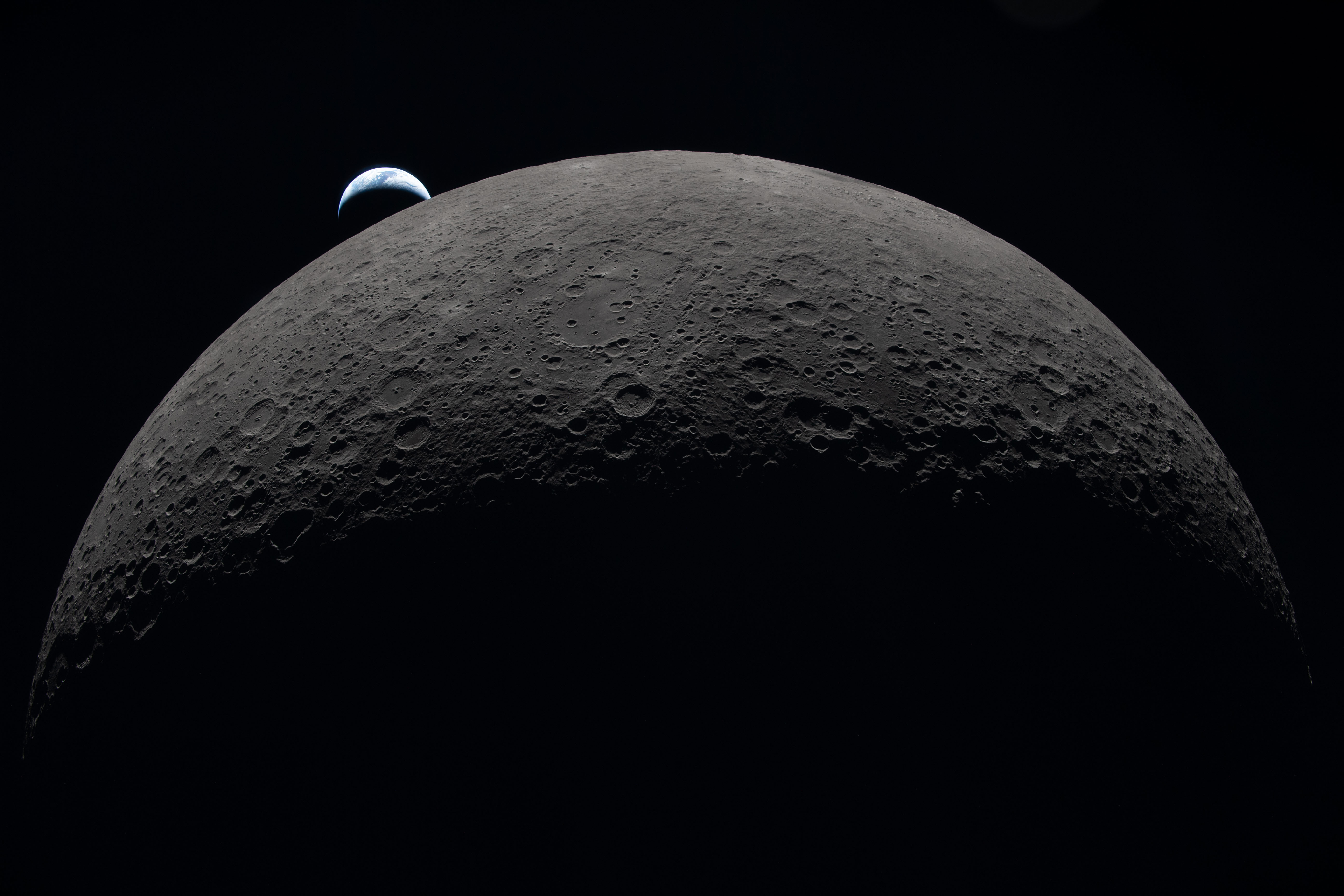
In a pivotal moment for space exploration, NASA has announced the crew for its upcoming Artemis 3 mission. This mission represents a monumental leap forward as it aims to land humans on the Moon for the first time in over 50 years. The Artemis 3 mission is a part of NASA's ambitious program to explore the lunar surface and establish a sustainable human presence on the Moon by the end of this decade.
The Artemis 3 mission will feature a low Earth orbit rendezvous between NASA's Orion spacecraft and one or both of the Human Landing System (HLS) landers: Blue Origin’s Blue Moon Mark 2 and SpaceX’s Starship. This complex maneuver is a critical component of the mission, allowing for the transfer of crew and materials necessary for the lunar landing.
The selection of these two landers showcases the diverse strategies being adopted in the pursuit of lunar exploration. SpaceX’s Starship is notable for its fully reusable spacecraft design, which has been developed to support a wide array of missions beyond just the lunar surface. Meanwhile, Blue Origin’s Blue Moon Mark 2 represents a tailored approach specifically for Moon landings, with capabilities that align closely with NASA’s requirements for the Artemis program.
NASA officials have highlighted the significance of this mission not only as a return to the Moon but also as a demonstration of international and commercial partnerships that are crucial for the future of space exploration. The Artemis 3 mission is expected to pave the way for subsequent missions that will involve more extensive exploration and the establishment of a lunar base.
The mission's advancements in technology and collaboration are expected to have far-reaching impacts on both scientific research and the global space industry. The Artemis program is designed to be inclusive, encouraging international partnerships and commercial sector participation, which is evident in the choice of landers from Blue Origin and SpaceX.
The announcement of the Artemis 3 crew marks a significant milestone in the mission timeline, underscoring the progress being made towards the scheduled launch. As NASA continues to refine its plans and conduct necessary tests, the world watches with anticipation as humanity prepares to take its next giant leap onto the lunar surface.