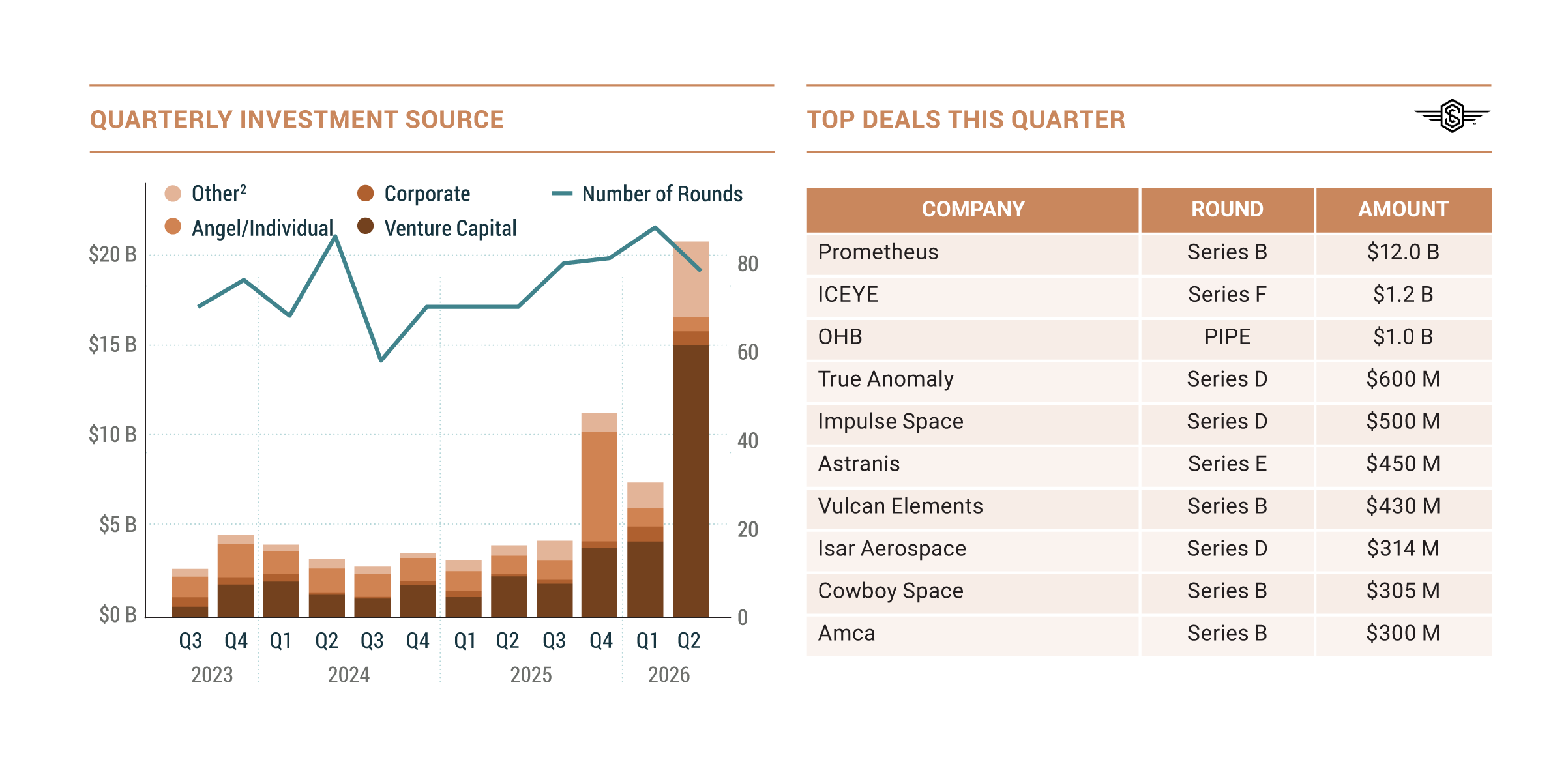
ICEYE, a Finnish company specializing in synthetic-aperture radar (SAR) satellite technology, has recently reached a significant milestone with its valuation surpassing €10 billion. This achievement follows a successful Series F funding round in which the company raised €450 million, bolstered by a secondary share sale that brought the total transaction value to over €1 billion.
The company has been a pioneer in the development and deployment of SAR technology, which allows for imaging of the Earth's surface regardless of weather conditions or time of day. This capability is crucial for a variety of applications, including environmental monitoring, disaster response, and maritime surveillance. ICEYE's technology is particularly valued for its ability to provide timely and reliable data under challenging conditions.
Founded in 2014, ICEYE has steadily gained recognition within the satellite industry thanks to its innovative approach to SAR technology. The company's strategic focus has been on creating small, cost-effective satellites that can deliver high-resolution images, thus making SAR technology more accessible and affordable.
ICEYE's CEO and co-founder, Rafal Modrzewski, has mentioned that the recent funding will be used to further expand the company's global operations. This includes increasing the number of satellites in orbit and enhancing data services for a growing customer base. The funding round attracted a diverse group of investors, underscoring strong confidence in ICEYE's business model and technological capabilities.
The company's rapid ascent to a €10 billion valuation is a testament to its successful execution of a business strategy that few in the industry dared to envision six years ago. By betting on the potential of SAR technology and focusing on niche market needs, ICEYE has positioned itself as a leader in the field, contributing significantly to advancements in Earth observation capabilities.
As ICEYE continues to expand, the company is poised to play a pivotal role in the proliferation of satellite data applications across various sectors. This will likely lead to further innovations and collaborations, potentially setting new standards in satellite technology and data accessibility.