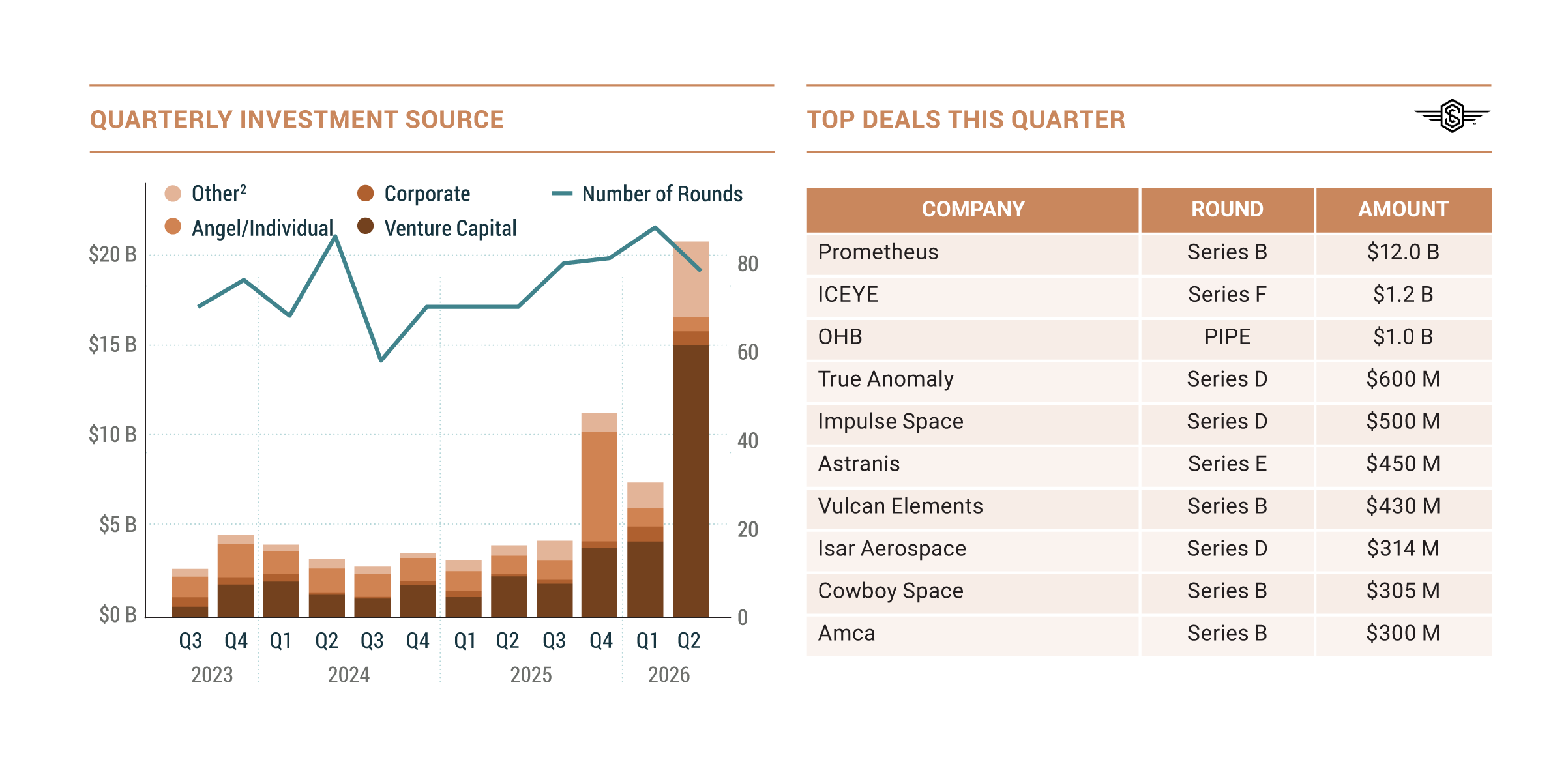
In a remarkable display of investor confidence, the satellite industry has set a new record with $8.1 billion in investments during the first half of 2026. This figure, reported by early-stage investor Space Capital, already eclipses any previous annual total, highlighting the sector's rapid expansion and evolving market dynamics.
A significant contributor to this surge is the Finnish satellite operator Iceye. Iceye successfully raised $1.2 billion in a Series F funding round. The capital will be used to enhance its radar-imaging satellite production, a move necessitated by NATO's increasing demand for such technologies. This investment positions Iceye as a leader in a niche yet critical market as geopolitical tensions prompt nations to bolster their surveillance and reconnaissance capabilities.
Overall, companies classified under Space Capital's 'infrastructure' category, which includes entities involved in the design, manufacture, launch, and operation of space-based assets, have collectively raised $20.7 billion this quarter. This represents a quarterly record and underscores the growing investor interest in the foundational elements of the space economy.
A notable highlight within this category is Jeff Bezos' artificial intelligence venture, Prometheus, which secured a staggering $12 billion in a Series B round. Prometheus is developing AI models intended to automate physical engineering processes, thereby streamlining the design and construction of launch vehicles and other space assets. Space Capital has introduced a 'launch+' category to reflect companies like Prometheus that integrate launch capabilities with other space industry facets. This classification acknowledges the broadening scope of what constitutes a space company, as articulated by Space Capital CEO Chad Anderson. Anderson emphasized that focusing solely on rockets and satellites overlooks the crucial role of software, data, and industrial technologies.
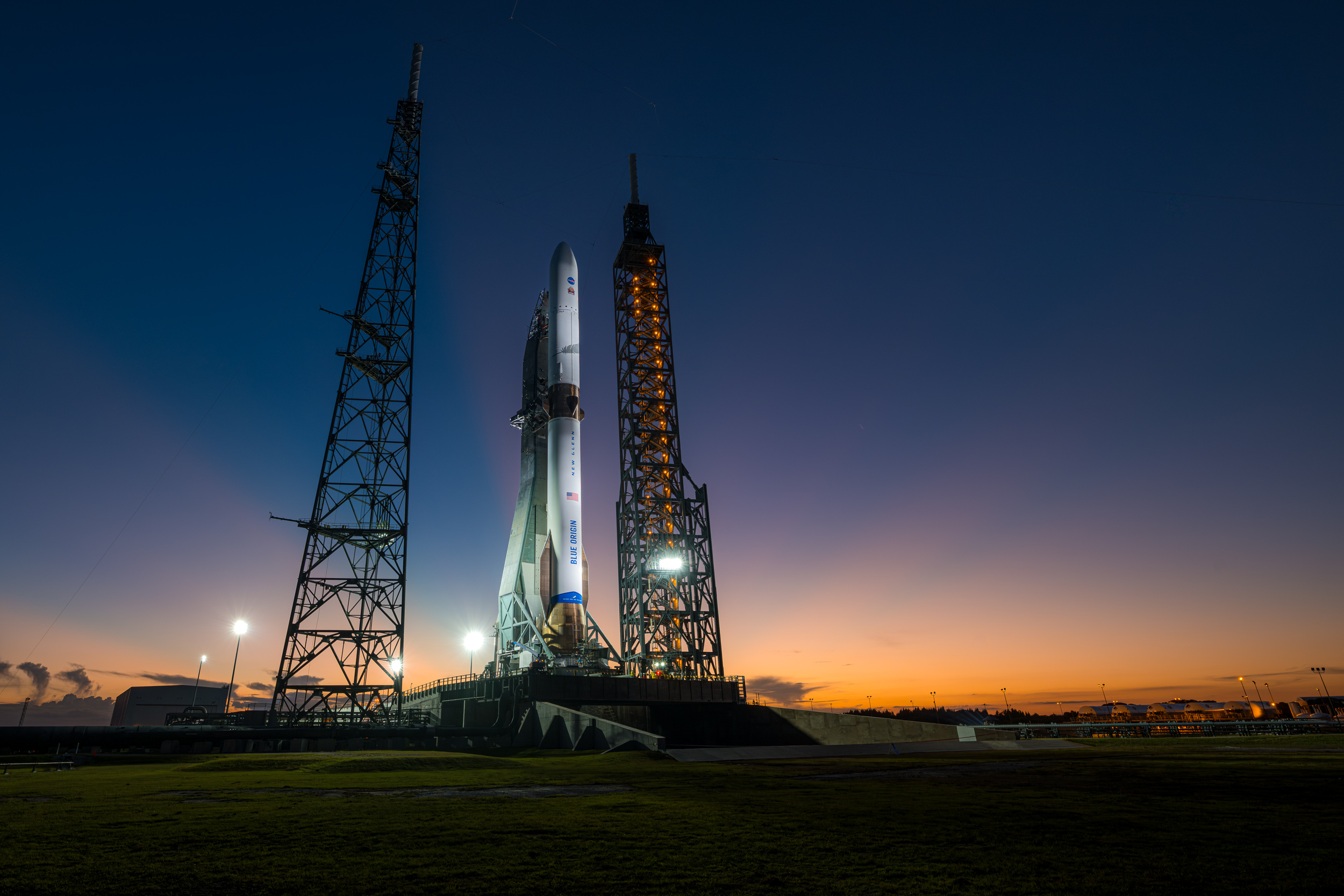
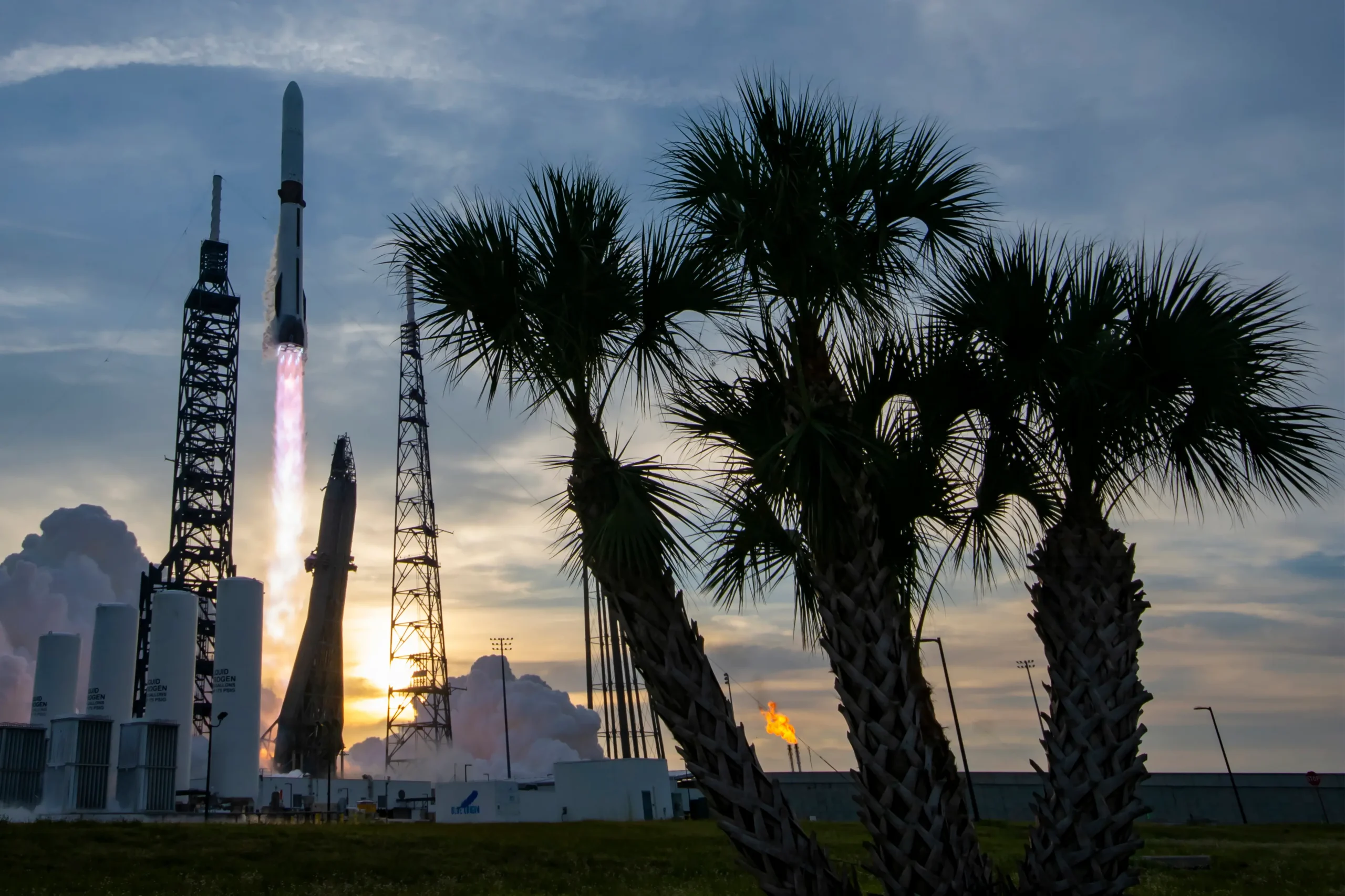
In this context, Prometheus stands as a prime example of the industry's ongoing convergence. It represents a strategic bet on the 'industrial engine' that not only designs but also builds the necessary infrastructure for space endeavors. Bezos' involvement through Blue Origin, which explores markets beyond traditional rocketry such as orbital data centers, further exemplifies this holistic approach to space enterprise development. Blue Origin serves as a case study customer for Prometheus, with its CEO David Limp also sitting on Prometheus' board, indicating a close synergy between the two ventures.
Space Capital's report reflects a transformative period where the boundaries of the space economy are expanding. The increasing intersection of artificial intelligence, communications, lunar infrastructure, and advanced manufacturing is reshaping how companies operate and innovate within the sector. Notably, the report suggests that standalone launch companies may face challenges unless they diversify, as evidenced by Rocket Lab's strategic move to acquire Iridium, reflecting a trend towards vertical integration in satellite communications.
This investment surge signals a robust future for satellite technologies, driven by both geopolitical needs and technological advancements. As the industry continues to evolve, stakeholders must navigate a complex landscape where innovation and integration are key. The satellite sector's trajectory thus suggests not only a vibrant present but also a promising and dynamic future.