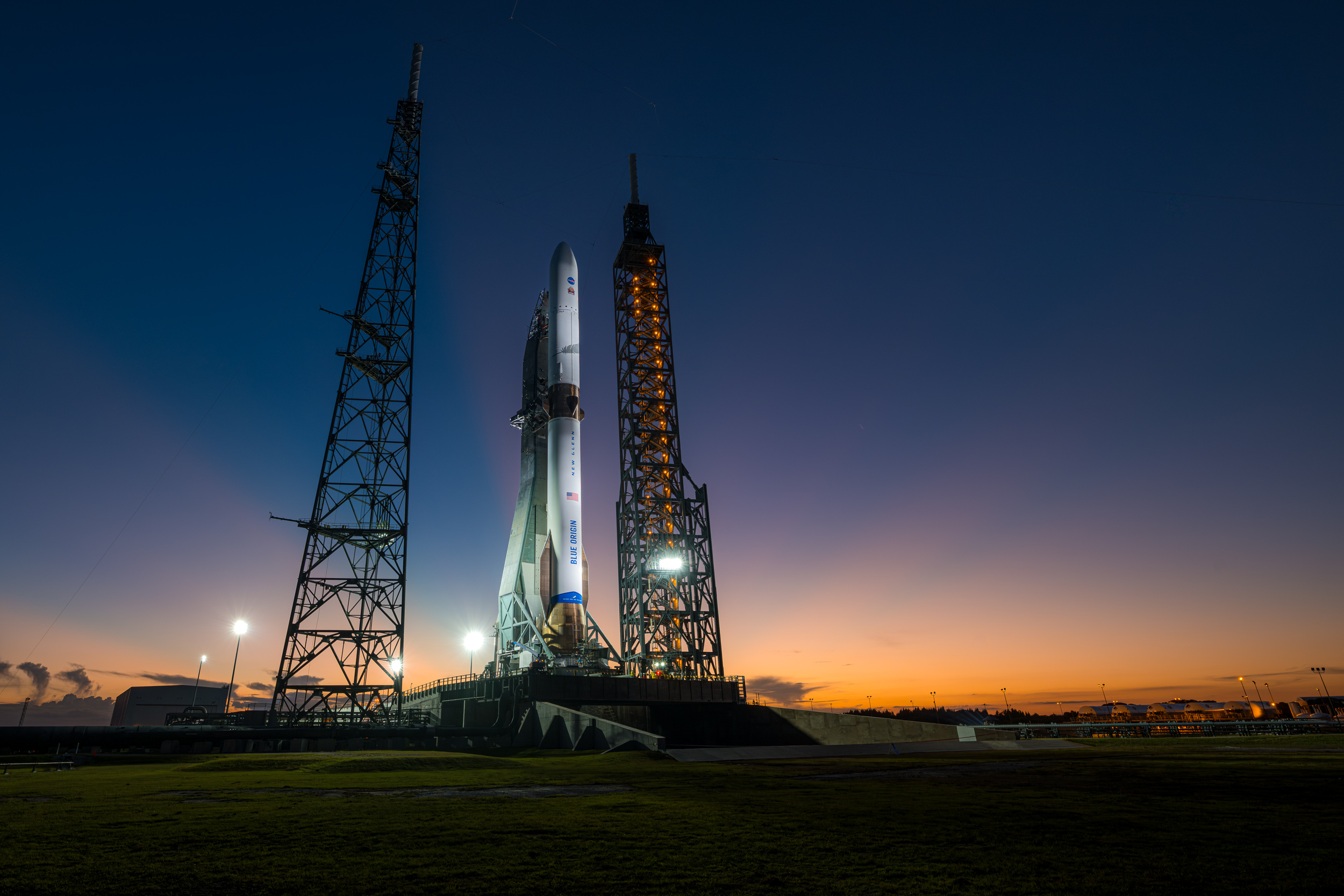
The Air Force Research Laboratory (AFRL) has expanded its collaboration with Blue Origin by adding $11.7 million to an ongoing contract aimed at leveraging commercial rocket technologies for military logistics. This adjustment brings the total contract value to approximately $13 million. The initiative is part of the AFRL's Rocket Experimentation for Global Agile Logistics (REGAL) program, a pioneering effort to revolutionize military supply chains using space-based systems.
The additional funding, announced on July 31, 2026, marks a significant step forward in the Department of Defense’s (DoD) ambition to develop point-to-point cargo delivery capabilities. This concept envisions using rockets to transport supplies from one location to another in less than an hour, a drastic improvement over the current method of deploying cargo via C-17 aircraft, which can take hours and involves flying through potentially contested airspace.
Innovative Military Logistics
The REGAL program, established in 2021, is one of the AFRL’s four “Vanguard” technology programs. These programs are earmarked for their potential to advance the next generation of warfare technologies. REGAL specifically aims to provide the U.S. military with the ability to resupply troops globally in under an hour, a capability that could redefine military logistics and operational readiness.
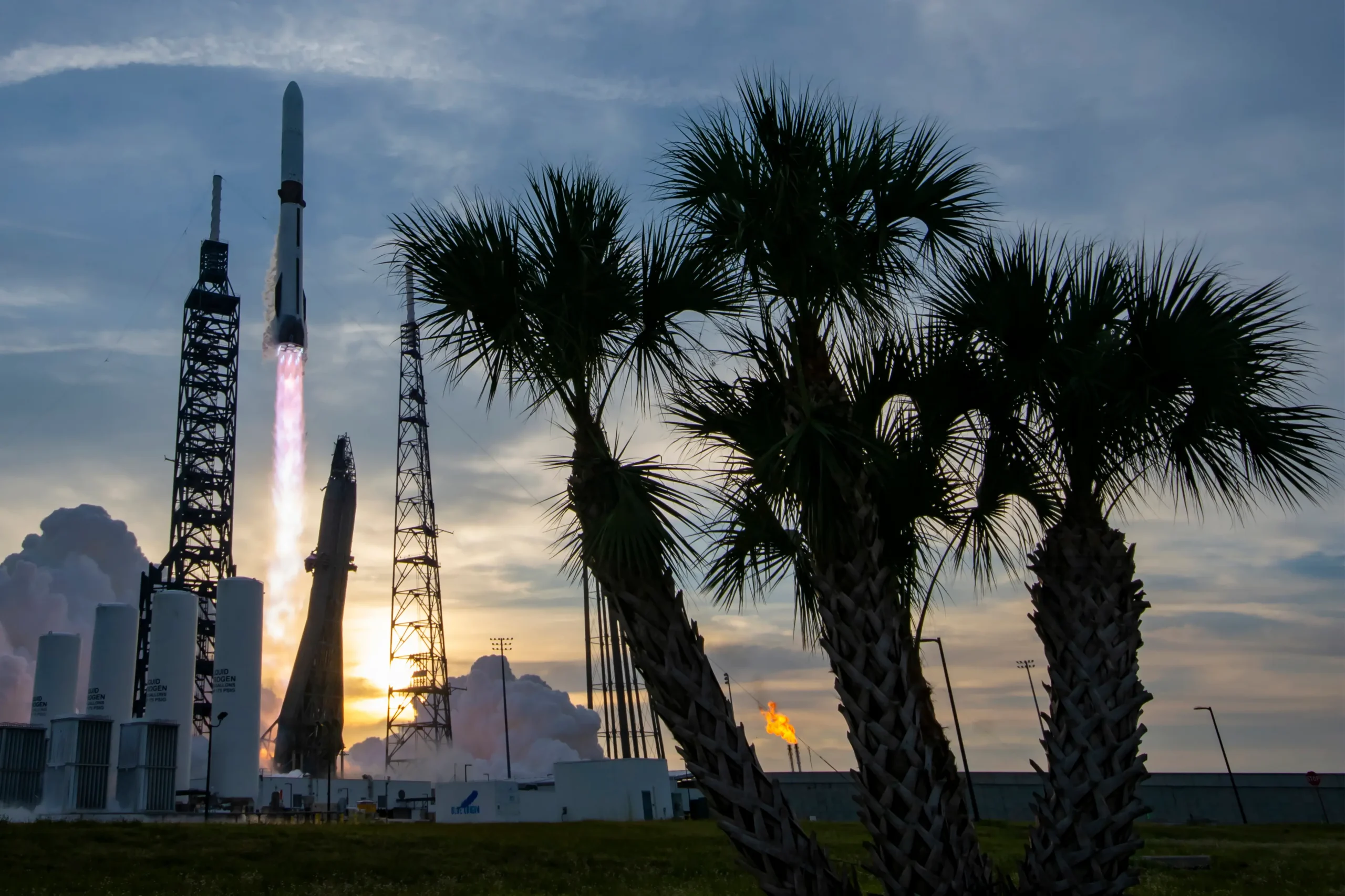
Blue Origin's role in this initiative involves studying how its existing launch systems, notably the reusable heavy-lift rocket New Glenn, can be adapted for these missions. Although the contract remains focused on technical studies and systems analysis, without yet advancing to operational launches or full-scale demonstrations, it represents a crucial foundational step.
Challenges and Competitors
The transition from conventional cargo methods to rocket-based systems is not without challenges. Key issues include ensuring the safe handling of military cargo, protecting payloads during launch and re-entry, and identifying suitable landing or recovery sites. Additionally, the economics of such operations must be competitive with existing aerial and maritime transport options.
Blue Origin is not alone in this endeavor. The AFRL has also engaged other companies under the REGAL program. In 2022, SpaceX was awarded a $102 million contract to explore using its Starship vehicle for similar logistics missions, with the potential to transport up to 100 tons of cargo per mission. Sierra Space and Rocket Lab are also notable contributors, with Sierra Space scaling up its Ghost platform for orbital deliveries and Rocket Lab preparing a demonstration mission with its Neutron launch vehicle.
Current Status and Future Prospects
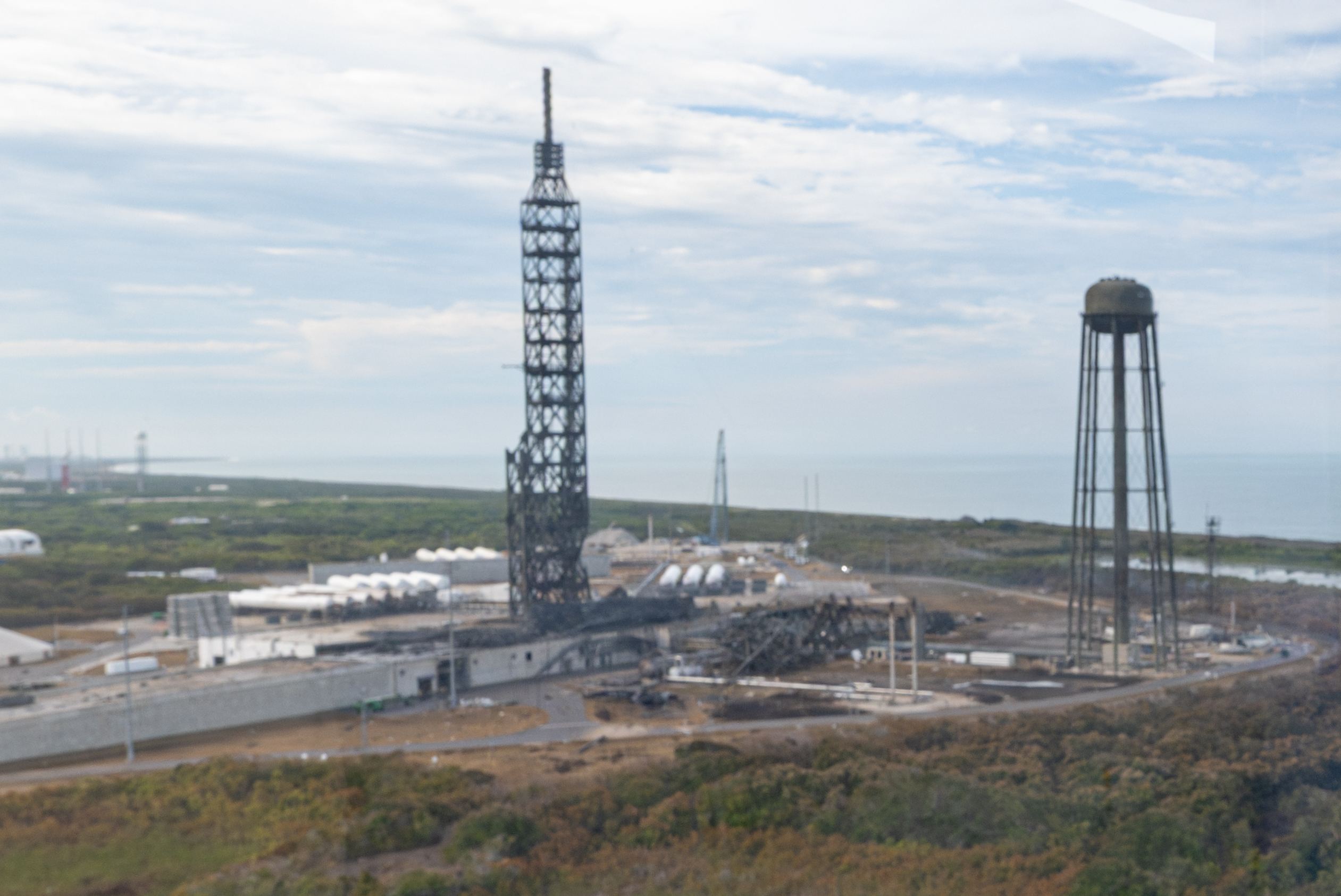
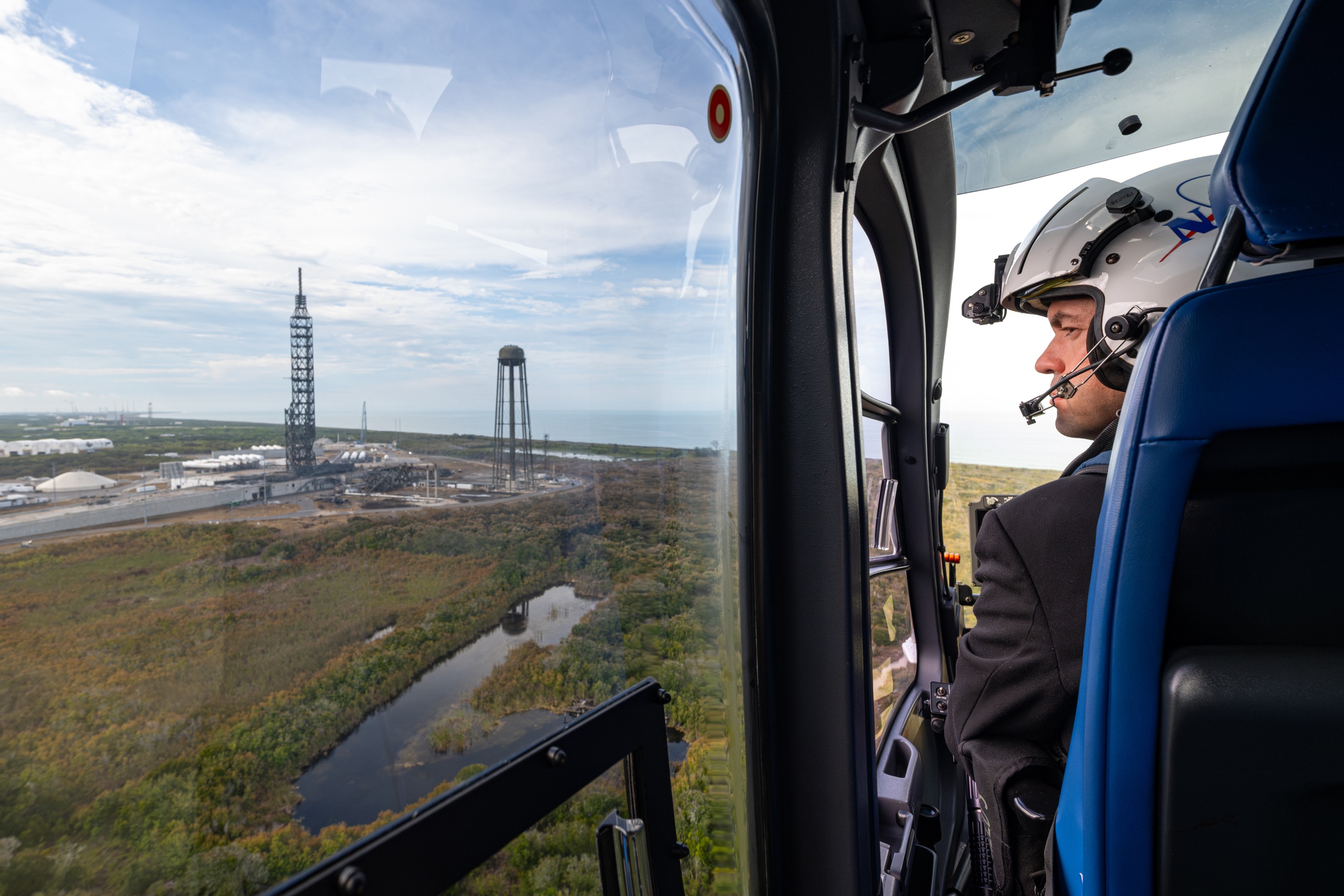
As of mid-2026, Blue Origin's New Glenn has completed three orbital flights since its debut in January 2025. However, its operations faced a setback following a hot-fire test anomaly in May 2026, which damaged launch-pad equipment. Blue Origin plans to resume flights by the end of the year, signaling continued progress and commitment to its role in the REGAL program.
This expansion in rocket cargo capabilities comes at a time when Blue Origin is also seeking to secure up to $10 billion in external funding, marking its first foray into capital markets. This financial maneuver could bolster its resources for both military and commercial space initiatives, including ongoing work on lunar landers and other aerospace projects.
The integration of commercial rocket technology into military logistics highlights a broader trend of increasing collaboration between private space companies and government agencies. This partnership could pave the way for faster, more efficient logistics solutions that enhance national security and operational flexibility.