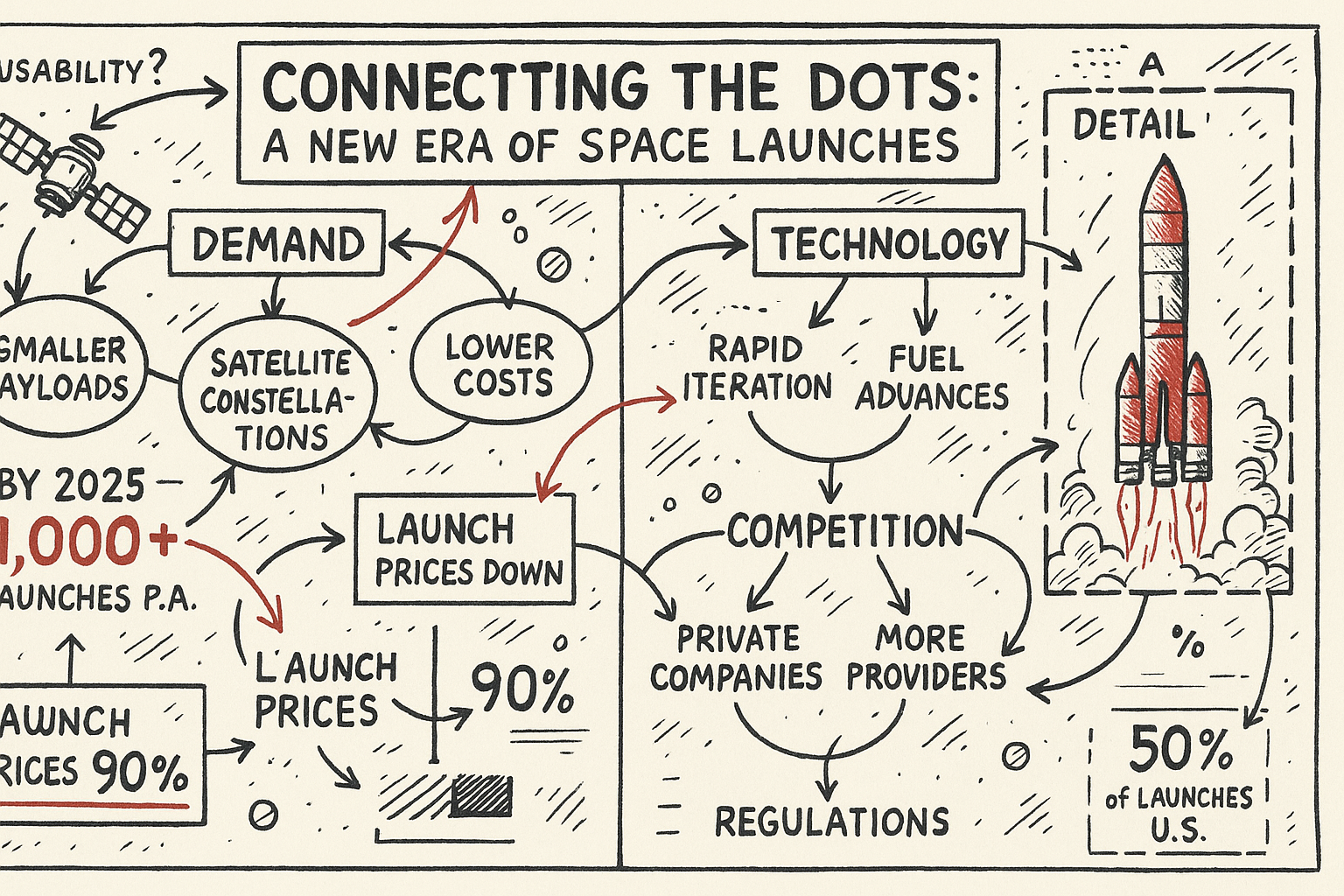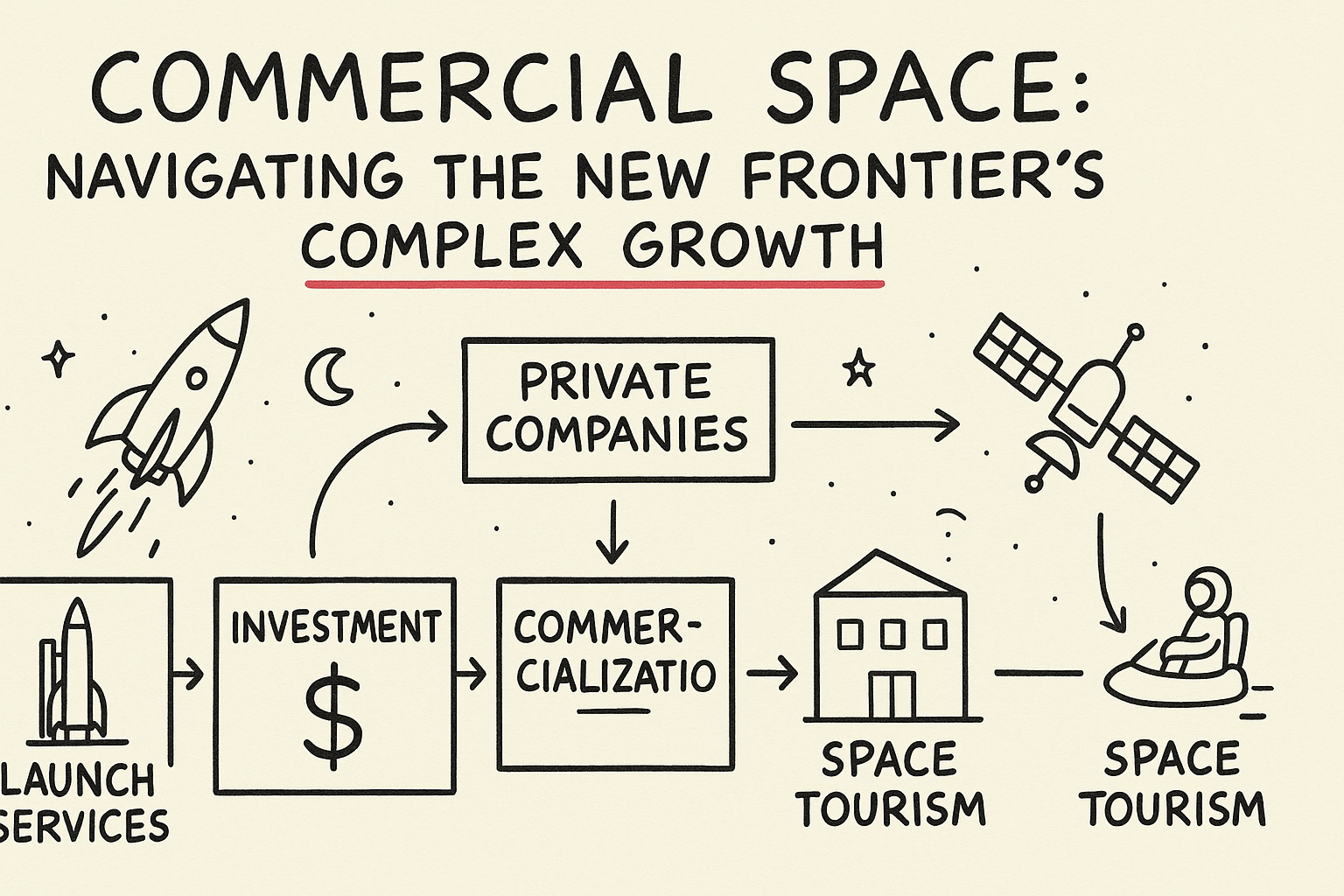
The commercial space sector is entering a new era, driven by technological advances and strategic investments. Recent developments, from SpaceX's impending IPO to increased interest in sea-based launches, illustrate a dynamic and rapidly evolving industry landscape. This article delves into the interconnected factors shaping the future of commercial space.
SpaceX's IPO: A New Chapter in Commercial Space
After 24 years as a private entity, SpaceX's decision to go public marks a significant milestone. Valued at $1.75 trillion, the company's IPO is set to be a landmark event in the financial and space sectors. Despite analysts' debates over its valuation, SpaceX's influence is undeniable, with its successes in reusable rocket technology and satellite deployment setting industry standards.
Elon Musk's vision, coupled with the anticipated growth in AI and technology sectors, underpins this bold move. The IPO not only highlights SpaceX's pivotal role in commercial space but also signals a broader trend of privatization and commercialization in the industry.
Military and Defense: Expanding Frontiers
Quantum Space's pursuit of a $1.2 billion SPAC deal to develop military spacecraft underscores the growing intersection between commercial space and defense. This move reflects a broader strategic shift as countries increasingly rely on commercial entities to enhance their military capabilities. Similarly, Spire's collaboration with Diehl Defence for space-based missile warning systems indicates an emerging trend where commercial space technologies are leveraged for national security.
Earth Observation: Data as the New Currency
The expansion of Another Earth into Brazil illustrates the burgeoning demand for Earth observation data. With climate change pressures and rapid economic growth, countries like Brazil represent key markets for Earth observation companies. The deployment of next-generation radar imaging satellites by Thales Alenia Space and Airbus under the ESA contract further highlights the critical role of advanced technologies in monitoring Earth's environment.
The rising demand for Earth observation data is transforming it into a crucial asset, driving investments and innovations in satellite technology.
Infrastructure Challenges: Sea-Based Launch Revival
The increasing congestion at traditional spaceports has revived interest in sea-based launches. Proponents argue that offshore platforms offer a viable solution to range crowding and enhance military resilience. This approach, reminiscent of Cold War-era strategies, presents a counterintuitive yet practical response to current infrastructure limitations.
Sea-based launches could provide the flexibility and capacity needed to support the growing number of commercial and government launches, addressing both economic and strategic challenges.
Future Implications and Strategic Insights
The commercial space landscape is marked by rapid innovation and strategic realignments. As companies like SpaceX and Another Earth expand their operations, the sector's influence on global economic and strategic dynamics will only increase. Moreover, the integration of commercial technologies into military applications suggests a future where national security is closely tied to private enterprise.
While technological advancements and new market opportunities fuel growth, the industry must navigate regulatory, environmental, and infrastructural challenges. The revival of sea-based launches, for instance, highlights the need for innovative solutions to support sustainable expansion.
In conclusion, the commercial space sector is poised for continued growth, driven by strategic investments, technological advancements, and new market demands. As these dynamics play out, stakeholders must remain adaptive and forward-thinking to harness the full potential of this new frontier.