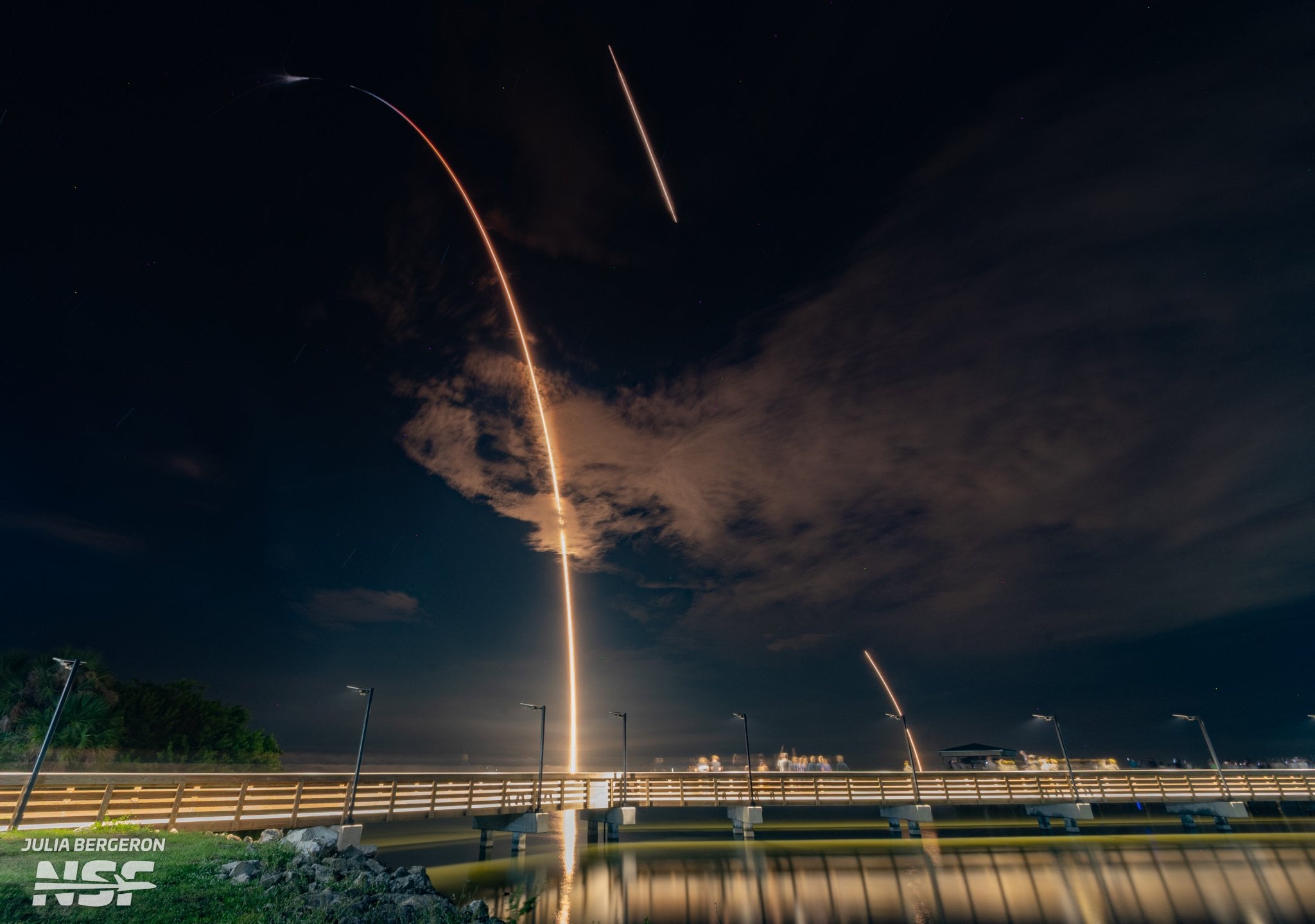
The upcoming week is set to be an exciting period for space enthusiasts and professionals alike, with an impressive lineup of 10 launches scheduled from launch sites around the globe. This busy launch manifest underscores the increasing pace and collaborative nature of modern space exploration efforts.
According to the latest reports, these launches are spread across several countries, highlighting the global nature of contemporary space endeavors. The diversity of the launch sites and the variety of missions planned reflect a broad spectrum of objectives, from commercial satellite deployments to scientific research missions.
The United States continues to play a significant role in this week's launch schedule, with multiple launches planned from its well-established spaceports. These include both government and commercial missions, demonstrating the robust public-private partnerships that have become a hallmark of the U.S. space industry.
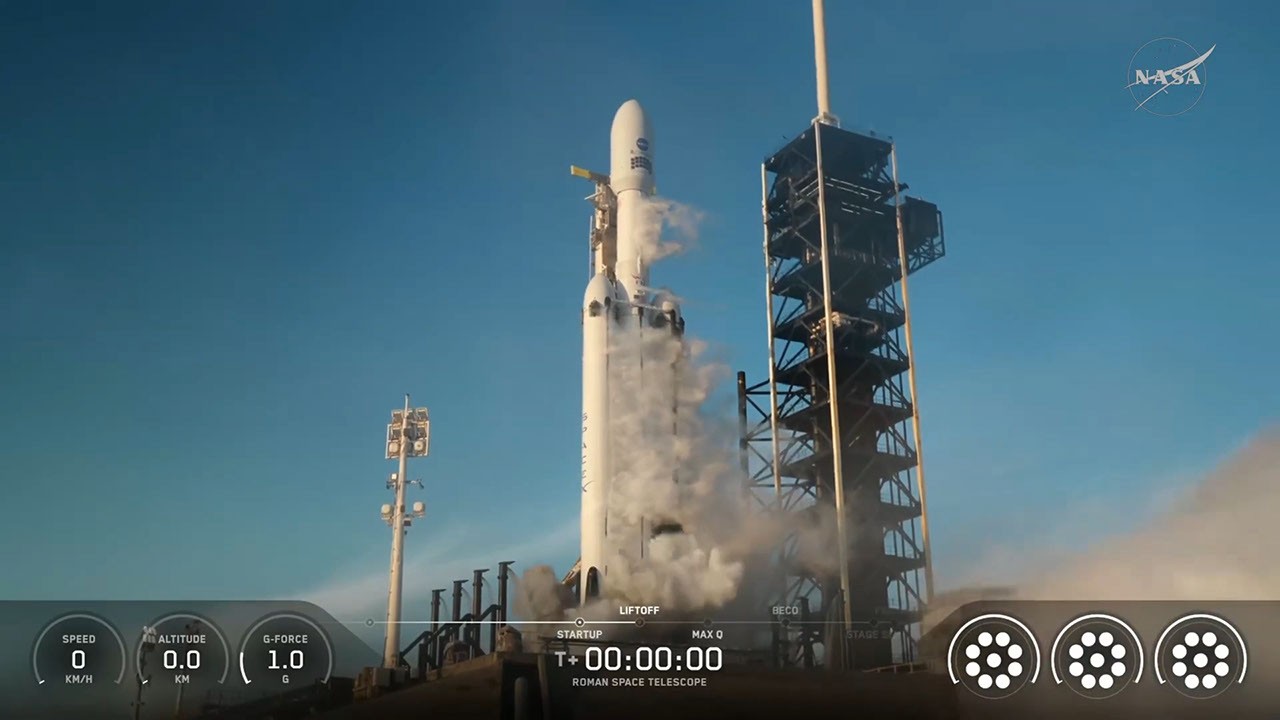
Notably, SpaceX, a leading private aerospace manufacturer and space transportation company, is gearing up for several launches. Known for its reusable rocket technology, SpaceX's contributions are pivotal in reducing the cost of access to space, which in turn facilitates a greater number of launches and missions.
In Europe, the European Space Agency (ESA) and its partners are also preparing for important launches. These missions often focus on scientific exploration, Earth observation, and technological innovation, contributing vital data and insights into our planet and the universe.
Meanwhile, Asian countries such as China and India are actively participating in this bustling launch schedule. China's space program has been expanding rapidly, with launches that often include both government and commercial payloads. India's space program, managed by the Indian Space Research Organisation (ISRO), is known for its cost-effective and innovative approaches to space exploration.
Each of these launches represents a step forward in our understanding of space and our ability to utilize it for various applications. The payloads being sent into orbit range from communication satellites that enhance global connectivity, to scientific instruments designed to improve our understanding of the Earth’s climate and environmental changes.
The sheer number of launches in such a short period also highlights the increasing accessibility of space. Advances in technology and reductions in launch costs have opened up space to a wider array of participants, including smaller nations and private companies. This democratization of space access is fostering new collaborations and innovations.
The developments in launch technology, particularly the advancement of reusable rocket systems, are instrumental in this surge of activity. By significantly reducing the cost of sending payloads into orbit, these innovations allow for more frequent and diverse missions. This trend is expected to continue, with even more players entering the space arena.
As we look ahead, the implications of this busy launch schedule are profound. Increased activity in space exploration can lead to advancements in technology, enhanced international cooperation, and a better understanding of both our own planet and the broader universe. It also presents an opportunity to address global challenges, such as climate change, through enhanced Earth observation capabilities.
In conclusion, the upcoming week's launch schedule is a testament to the dynamism and collaborative spirit of the global space community. As these missions unfold, they will not only contribute to scientific knowledge and technological progress but also inspire future generations of space explorers and innovators.