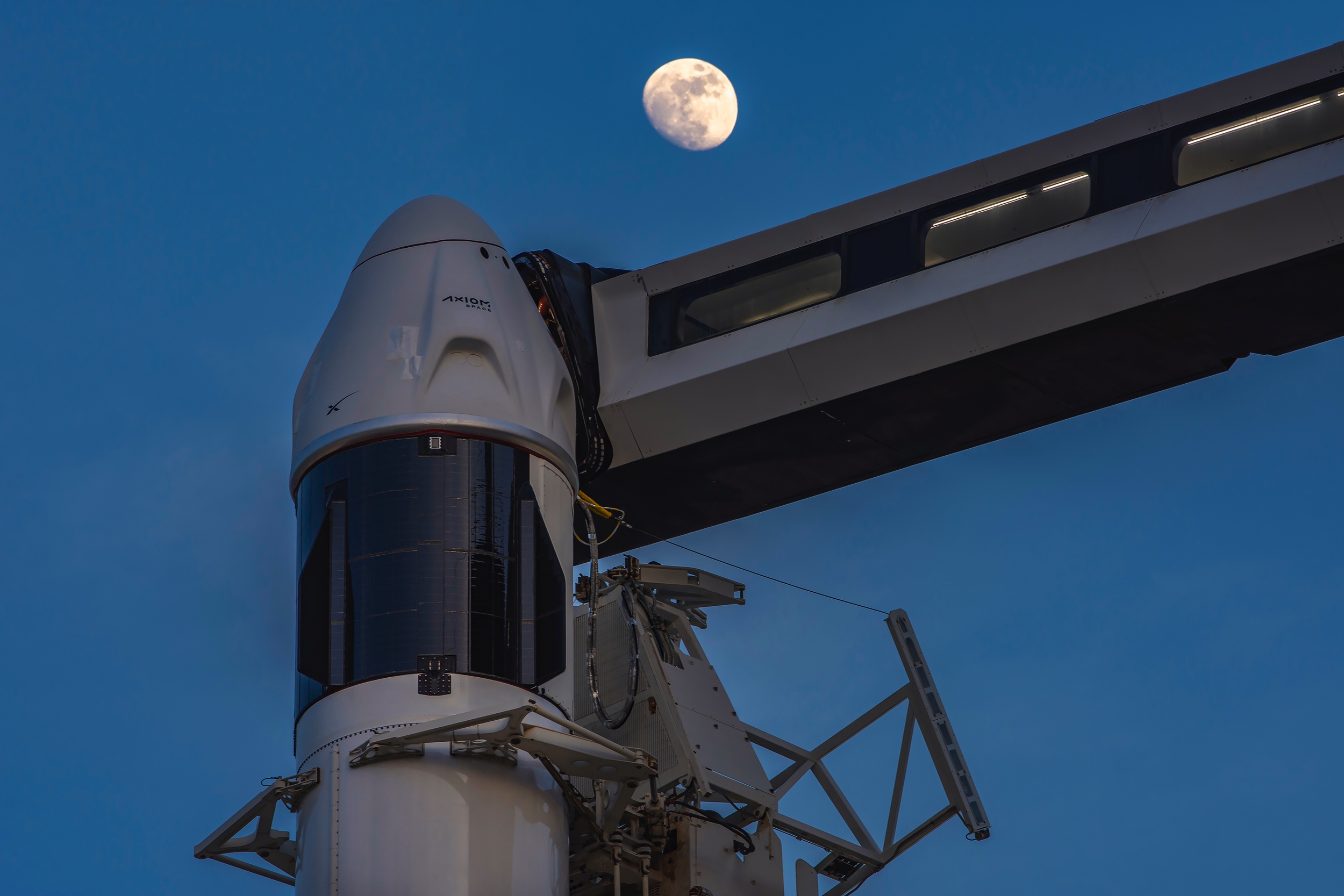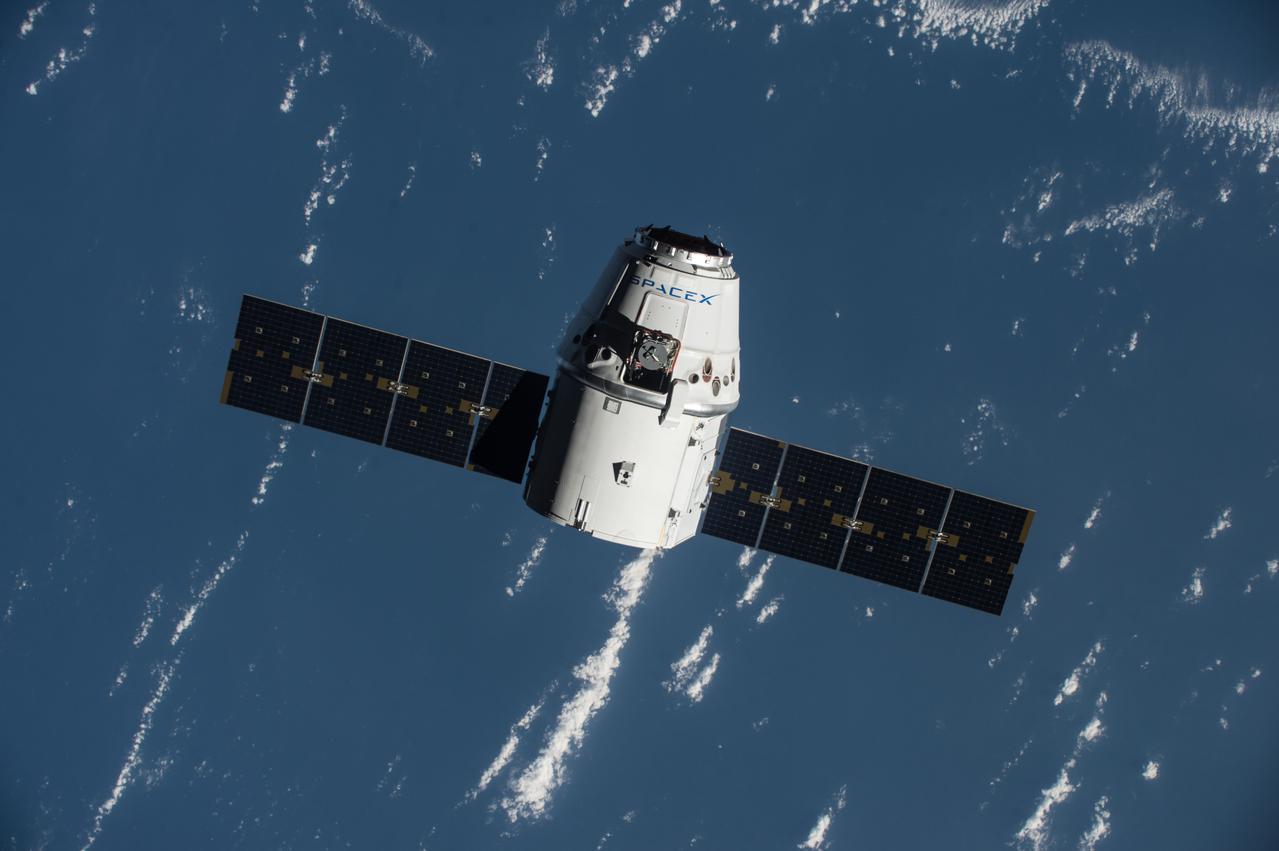
In recent years, SpaceX has emerged as a pivotal player in the realm of space exploration, particularly with its Dragon spacecraft, which has consistently demonstrated its capability in resupplying the International Space Station (ISS). The latest series of launches underscores not only SpaceX's technical prowess but also its critical role in advancing scientific research and technology development in space.
The Dragon's recent missions, as detailed in the news items, involved the transportation of nearly 6,500 pounds of scientific experiments and cargo to the ISS. This logistical feat marks the company's 34th commercial resupply services mission for NASA, highlighting a robust partnership that has been pivotal in maintaining and expanding the ISS's research capabilities.
The Backbone of ISS Resupply
The Dragon spacecraft has become synonymous with reliable space logistics. Its ability to transport significant payloads efficiently is a testament to SpaceX's engineering ingenuity. The importance of these missions cannot be overstated, as they ensure a constant flow of supplies and scientific experiments vital for ongoing research aboard the ISS.
These resupply missions are not routine; they are catalysts for innovation. The scientific payloads often include cutting-edge experiments that can only be conducted in the unique microgravity environment of the ISS. Such experiments range from advancing biomedical science to testing new materials and technologies that could benefit life on Earth and future space endeavors.
Surprising Synergies
One of the more surprising insights from these missions is the synergy between commercial space companies and government agencies. SpaceX's collaboration with NASA exemplifies how public-private partnerships can drive forward space exploration. This relationship has redefined traditional roles, with private entities taking on responsibilities previously managed by government agencies alone.
Moreover, the frequency and reliability of SpaceX launches have introduced a new dynamic to international space cooperation. Countries and corporations worldwide are increasingly relying on SpaceX's launch capabilities to support their space initiatives, reinforcing the company's position as a leader in the global space industry.
A Catalyst for Future Exploration
Looking ahead, the implications of SpaceX's Dragon missions extend far beyond the confines of the ISS. The technology and processes honed through these missions are laying the groundwork for more ambitious endeavors, such as the Artemis program, which aims to return humans to the Moon and eventually to Mars.
The development and successful deployment of reusable rockets and spacecraft like the Falcon 9 and Dragon are crucial in reducing the cost of space travel, making it more accessible and sustainable. This shift not only opens up new opportunities for scientific research but also for commercial ventures in space, such as low Earth orbit (LEO) data centers and satellite constellations.
In conclusion, SpaceX's Dragon resupply missions are more than just a logistical exercise; they are a blueprint for the future of space exploration. These missions demonstrate the potential of private-sector innovation to complement and enhance governmental space efforts, ultimately accelerating humanity's journey into the cosmos.