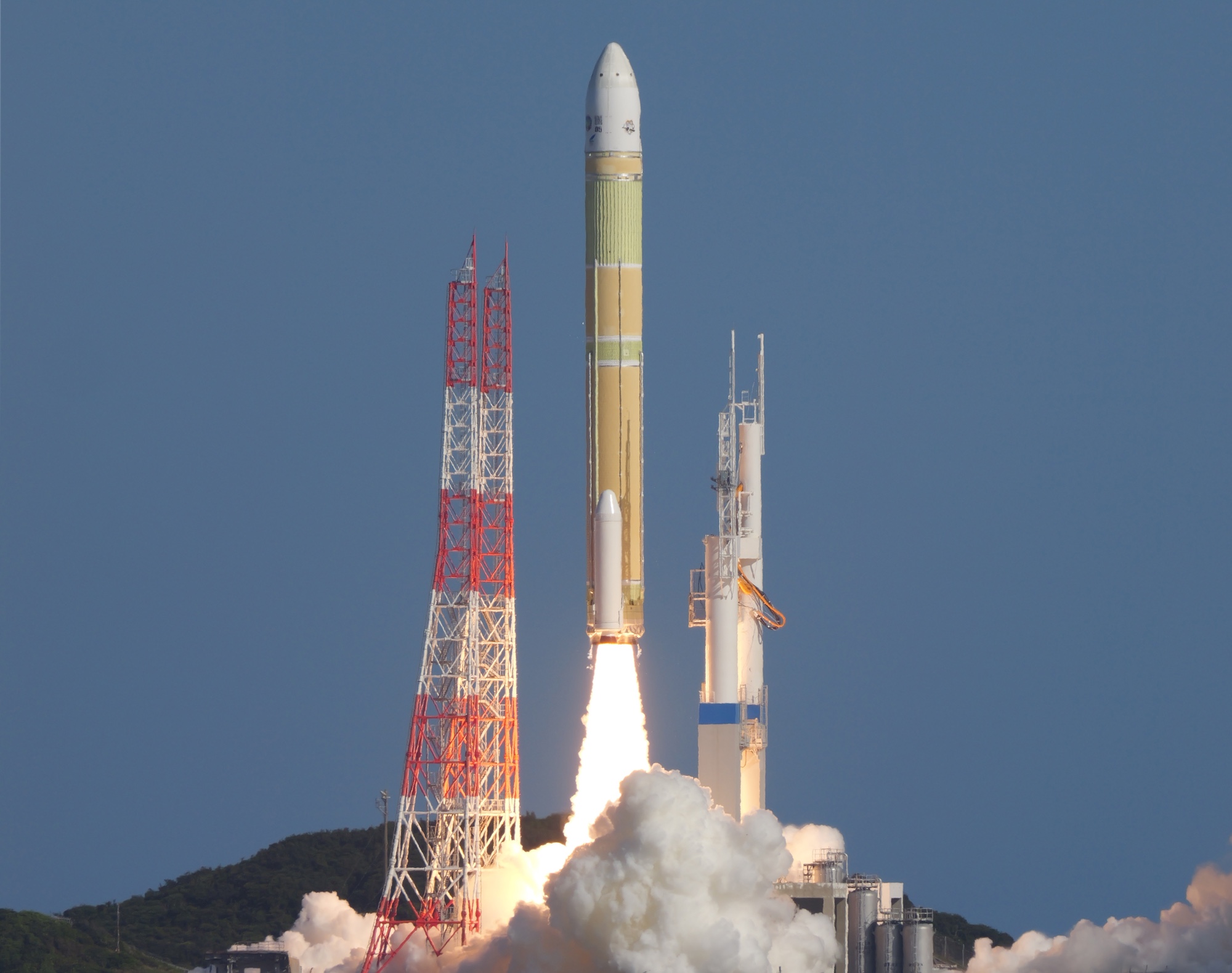
In a landmark agreement for Japan's burgeoning space industry, ispace, Inc., and Mitsubishi Heavy Industries (MHI) have formalized a contract to launch the Mission 3 ULTRA Lunar Lander using the H3 rocket. Scheduled for 2028, this mission will mark the first time a Japanese lunar lander is launched aboard a Japanese rocket, a significant step forward for Japan's autonomous space capabilities.
The Mission 3 ULTRA, developed by ispace, represents a new generation of lunar landers. This mission follows ispace's previous attempts, which relied on SpaceX's Falcon 9 rockets for launches in December 2022 and January 2025. While both previous missions reached lunar orbit, they failed to achieve a successful landing. The ULTRA lander, however, is designed to enhance payload capacity and increase mission frequency, incorporating lessons learned from the earlier HAKUTO-R missions.
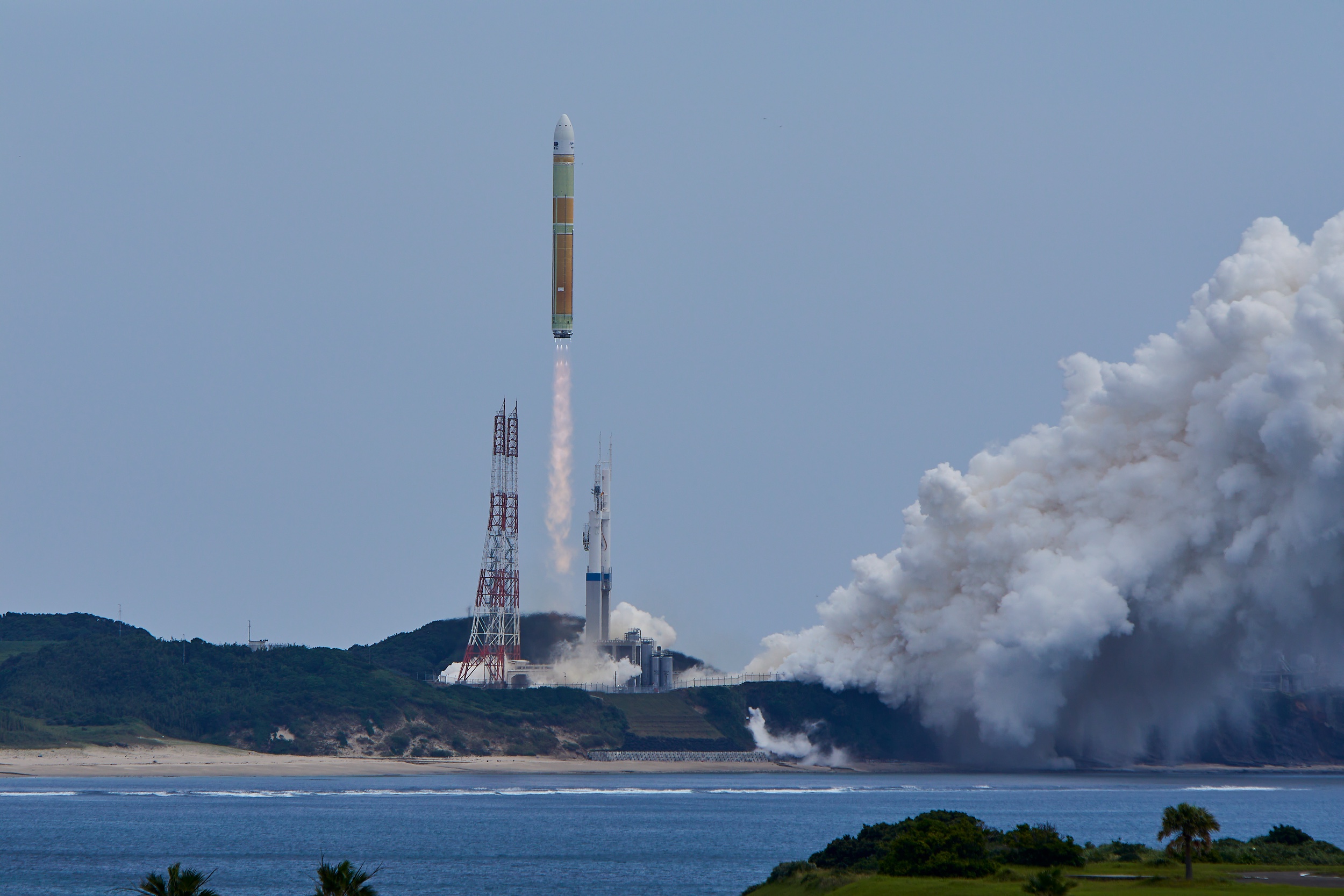
The choice of the H3 rocket, developed by Japan Aerospace Exploration Agency (JAXA) and MHI, is a strategic move. The H3 is intended to replace the aging H-II series as Japan's mainstay launch vehicle, with MHI responsible for its production and commercial operations. This collaboration not only highlights the technological advancements in Japan's space sector but also aims to establish a privately led lunar transportation system.
Takeshi Hakamada, CEO of ispace, emphasized that the agreement extends beyond mere launch logistics. "What begins today is a new challenge," he stated, highlighting the collaborative effort with MHI to build infrastructure that could underpin a new ecosystem within Japan's space industry. Iwao Igarashi, MHI's vice president, echoed this sentiment, suggesting the partnership could lay the foundation for future lunar activities.
Moreover, the selection of the H3 rocket was influenced by several factors. Ryo Ujiie, ispace's Chief Technology Officer, cited the vehicle's capacity, launch environment, and loading flexibility as key considerations. The partnership has already addressed compatibility issues, such as accommodating the lander and its landing legs within the rocket's payload fairing.
However, the H3's reliability remains a topic of concern. The rocket has experienced two failures in its eight launches thus far, including a notable setback in December 2025. Nonetheless, the H3 successfully returned to flight in June 2026, demonstrating improvements in its design and operational confidence.
Financial considerations also played a role in the decision to opt for the H3 rocket. Hakamada noted that the depreciation of the yen made U.S. dollar-denominated launches, like those with SpaceX's Falcon 9, increasingly expensive for Japanese companies. This economic factor, combined with the desire for a fully Japanese transportation system, solidified the decision to proceed with the H3.
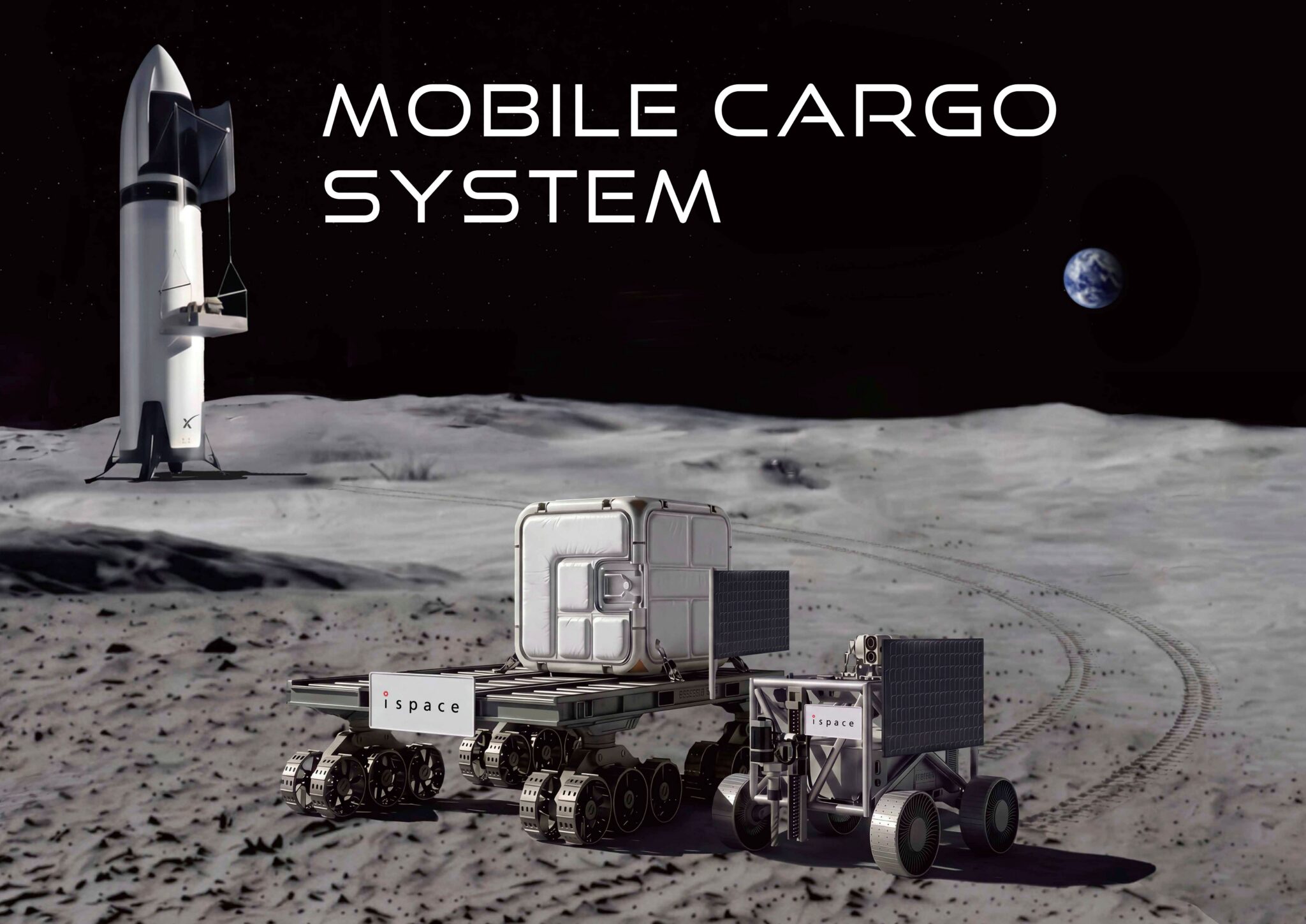
While the Mission 3 ULTRA will launch on the H3, ispace maintains its relationship with SpaceX, having recently announced a new Mobile Cargo System rover destined for the lunar surface aboard SpaceX's Starship. This dual approach demonstrates ispace's commitment to leveraging multiple avenues for advancing lunar exploration.
The upcoming Mission 3 ULTRA not only signifies a technological milestone but also represents a strategic collaboration poised to enhance Japan's role in the global space exploration landscape. As preparations continue, the successful deployment of the ULTRA lander could pave the way for more frequent and ambitious lunar missions, contributing to the broader vision of sustainable lunar exploration and infrastructure development.