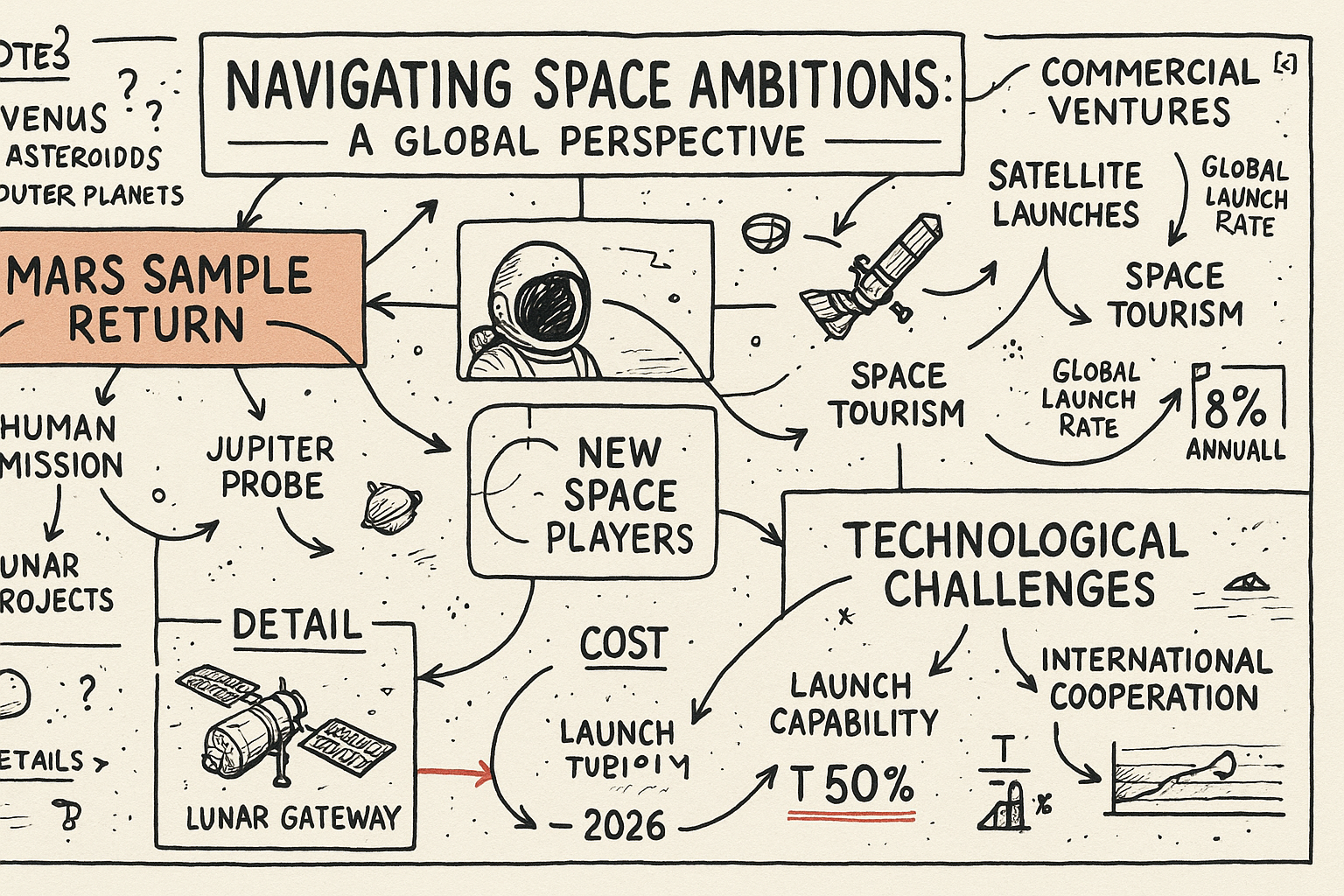
The year 2026 marks a pivotal moment in space exploration. The recent delay of China's unmanned moon mission, intended to be a cornerstone for its lunar ambitions, underscores a broader narrative of intricate planning and strategic patience in space exploration. According to sources, China's decision to postpone the mission was driven by a need for 'absolute success' (Source 3), reflecting a strategic pivot from the past where expediency sometimes overshadowed meticulous preparation.
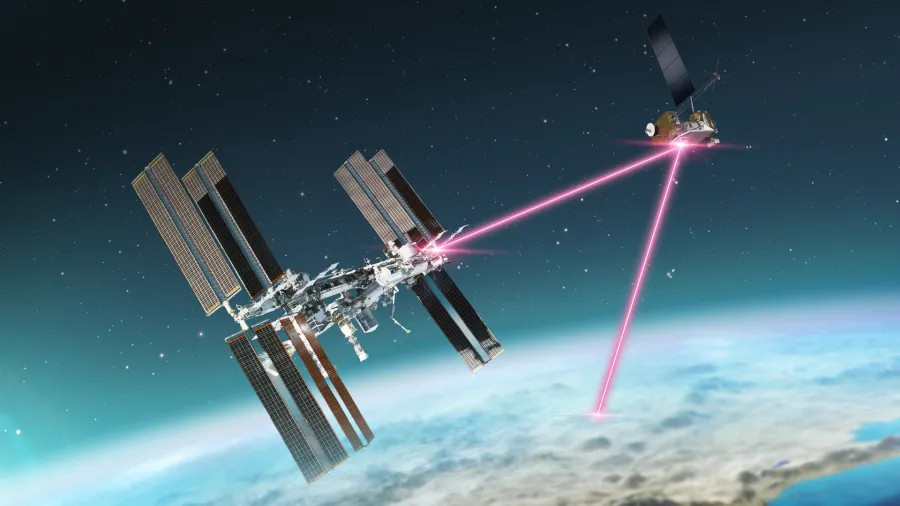
China's delay is not an isolated event but part of a larger trend in space exploration where precision and reliability increasingly dictate timelines. This is evidenced by NASA's ambitious 2028 Mars mission, which plans to deploy a nuclear-powered spacecraft along with three helicopters to explore Mars (Source 2). This mission represents a significant leap in technological innovation, similar to the groundbreaking launch of the Echo 1A in 1960, which set the stage for modern satellite communications (Source 4).
In another intriguing development, Pakistan has announced its entry into the lunar race with its Jinnah-1 rover, planned for 2029 (Source 7). This move not only highlights the growing number of nations aiming for lunar exploration but also reflects a shift in geopolitical dynamics where space has become a realm for showcasing national prowess and technological advancement.
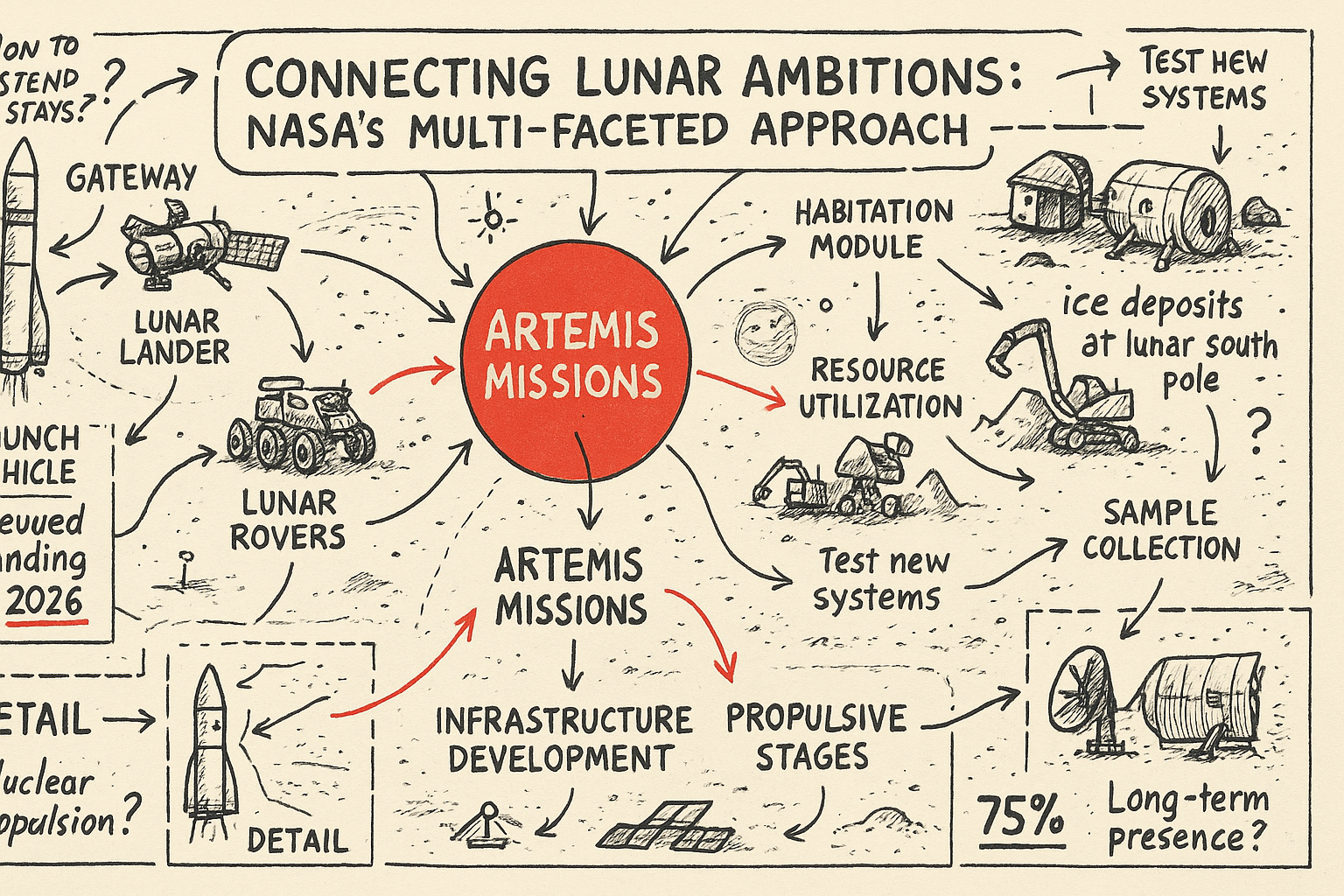
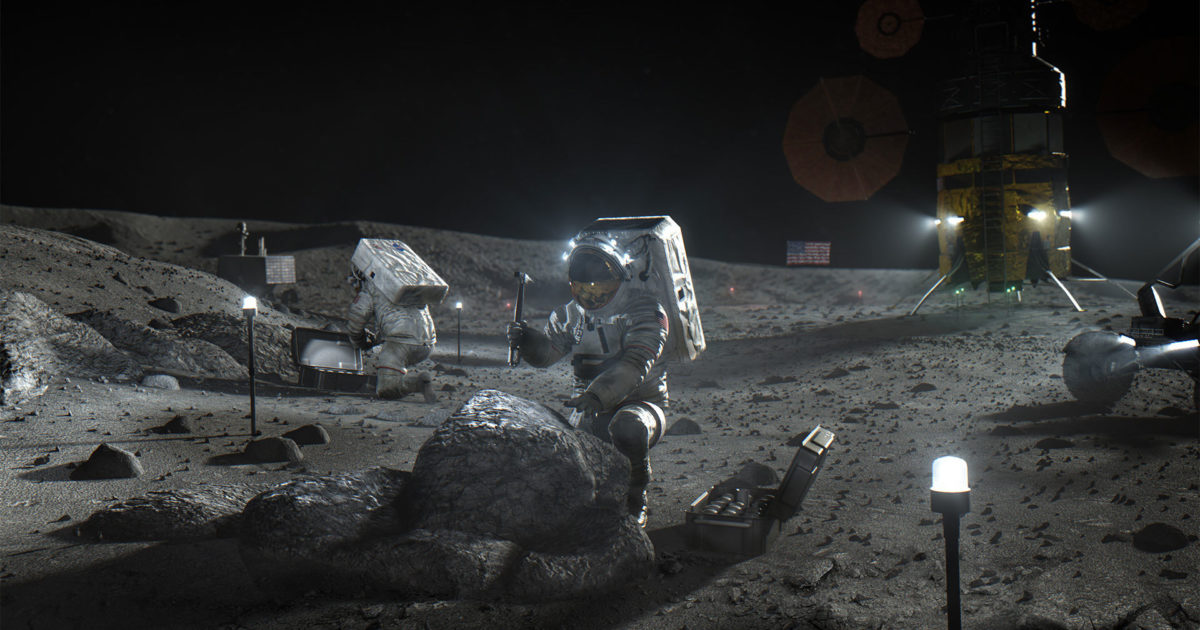
The impact of these developments is multifaceted. Firstly, the collaboration between countries, as seen in joint missions and shared technology, is juxtaposed against a backdrop of competitive space races. The Moon, now a focal point for many nations, is being explored not only for scientific discovery but also for potential economic benefits, such as mining resources and establishing a human presence.
Moreover, NASA's recent mapping of the Moon's south pole regions, identifying areas where Earth microbes could survive (Source 6), presents both opportunities and ethical dilemmas. While this discovery opens avenues for biological experiments and potentially sustaining human life, it also raises concerns about contaminating pristine lunar environments with Earth-based organisms.
An unexpected yet fascinating outcome of recent lunar activity is the SpaceX Falcon 9 upper stage's impact on the Moon, which provided new insights into lunar impacts (Source 5). This event, while not part of a planned mission, has contributed valuable data that could influence future lunar exploration strategies.
These developments collectively suggest a future where space exploration is not merely about reaching celestial bodies but understanding and utilizing them. The interplay between national ambitions and international cooperation will shape the next decade's space policies and missions.
In conclusion, as more countries enter the space arena, the balance between competition and collaboration will be crucial. The need for absolute success, as demonstrated by China, may become a standard as missions grow in complexity and stakes. Meanwhile, the technological advancements, like those seen in NASA's Mars mission, will continue to push boundaries, offering new insights and opportunities for humanity's future in space.