Stoke Space secures $1 billion to ready Nova Pathfinder and scale toward Nova Block 2
Stoke Space announced on 8 September 2026 that it has completed the initial closing of an approximately $1 billion tranche of a Series E financing round, a raise the company says brings its total capital raised to $2.3 billion. The infusion, co-led by Point72 Ventures and Spark Capital with participation from returning investors including General Innovation, Glade Brook Capital, US Innovative Technology, Washington Harbour Partners, Woven Capital and Y Combinator, will fund final preparations for the first orbital flight of Nova Pathfinder, expansion of production and test infrastructure, and accelerated development of a larger medium-lift variant dubbed Nova Block 2.
CEO and co-founder Andy Lapsa described the round as intended "to scale, to lay the infrastructure, to scale in production and flight frequency, and importantly to fund the development of the second generation vehicle," according to TechCrunch and GeekWire reporting. Stoke has been explicit that Pathfinder remains the near-term priority: the company has set an "early 2027" target for Nova Pathfinder's debut, a date Lapsa reiterated while acknowledging the usual risks of testing and integration. Multiple outlets report that Nova Pathfinder's first flight will carry a customer payload for asteroid-mining company AstroForge.
Pathfinder is designed as Stoke's flight-proving vehicle for full two-stage reusability. In fully reusable configuration the company states Pathfinder can carry about 3,000 kg (3 metric tons) to low-Earth orbit, or roughly 7,000 kg (7 metric tons) in expendable mode. Stoke says the vehicle will use seven Zenith engines on the first stage and an upper stage that integrates multiple thrust chambers around an actively cooled metallic heat shield. The firm emphasizes an active cooling approach that flows super-cooled liquid hydrogen through the upper-stage thermal protection system — a technique Stoke says has been tested extensively on the ground and will be used on early flights to manage reentry heating conservatively.
Stoke reported having completed proto-qualification of Pathfinder's first stage earlier in 2026, running it through 46 structural tests at its Moses Lake, Washington facility. The company is expanding that test site — described by Payload and GeekWire as a sevenfold enlargement to about 550 acres — and is renovating Launch Complex 14 at Cape Canaveral for the vehicle's operations. Ars Technica and GeekWire add that Stoke plans to ship hardware to Florida for final integration and static-fire testing before mating with the upper stage, while the upper stage will undergo its own structural and hot-fire testing in Moses Lake.
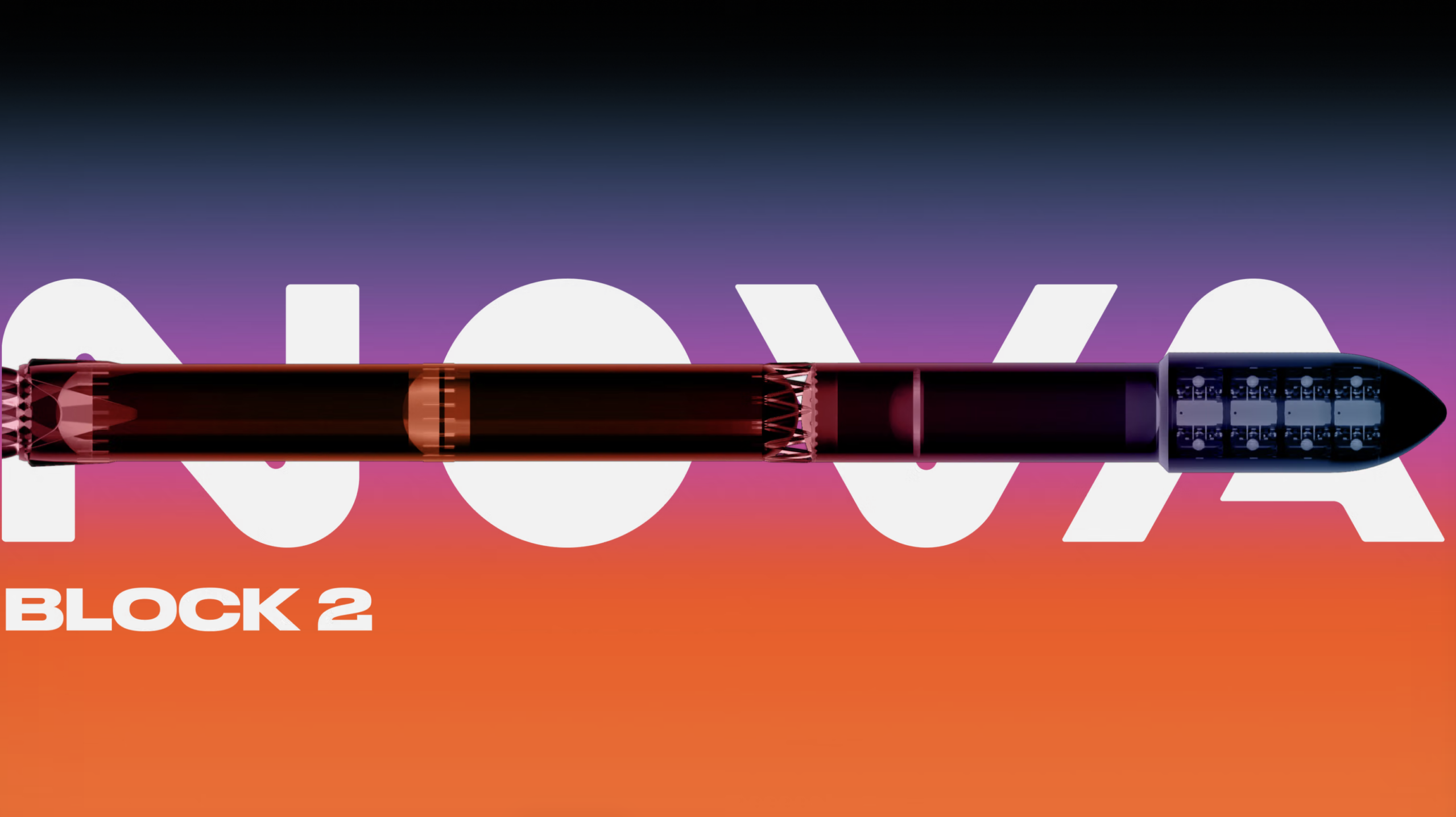
Alongside Pathfinder, Stoke disclosed the Nova Block 2 design publicly for the first time. Block 2 is intended to be a larger, fully reusable medium-lift rocket capable of delivering 15 metric tons to LEO and using a 5-meter payload fairing. According to Payload and Ars Technica, Block 2's architecture ups the first-stage engine count to 14 Zenith engines (doubling Pathfinder's seven) and redesigns the upper stage to use 12 independent engines rather than shared turbopumps, which Stoke says improves mission robustness by allowing the stage to continue if a single engine fails. Stoke targets a 2029 first launch for Block 2, and company statements published across outlets emphasize that Block 2 development has been proceeding in parallel with Pathfinder for years and will receive accelerated investment following the Series E tranche.
Investors' willingness to provide roughly $1 billion in this round — bringing Stoke's total funding to $2.3 billion, according to TechCrunch, Payload and AstroSpace — is notable because Stoke has not yet attempted an orbital flight. Multiple reports contrast Stoke's fundraising trajectory with other launch companies, for example noting that Rocket Lab had raised around $148 million before Electron reached orbit. Stoke executives and coverage from Ars Technica stress that the fresh capital will be used not only to buy development time but also to build out manufacturing, launch, recovery and test infrastructure needed for frequent flights.
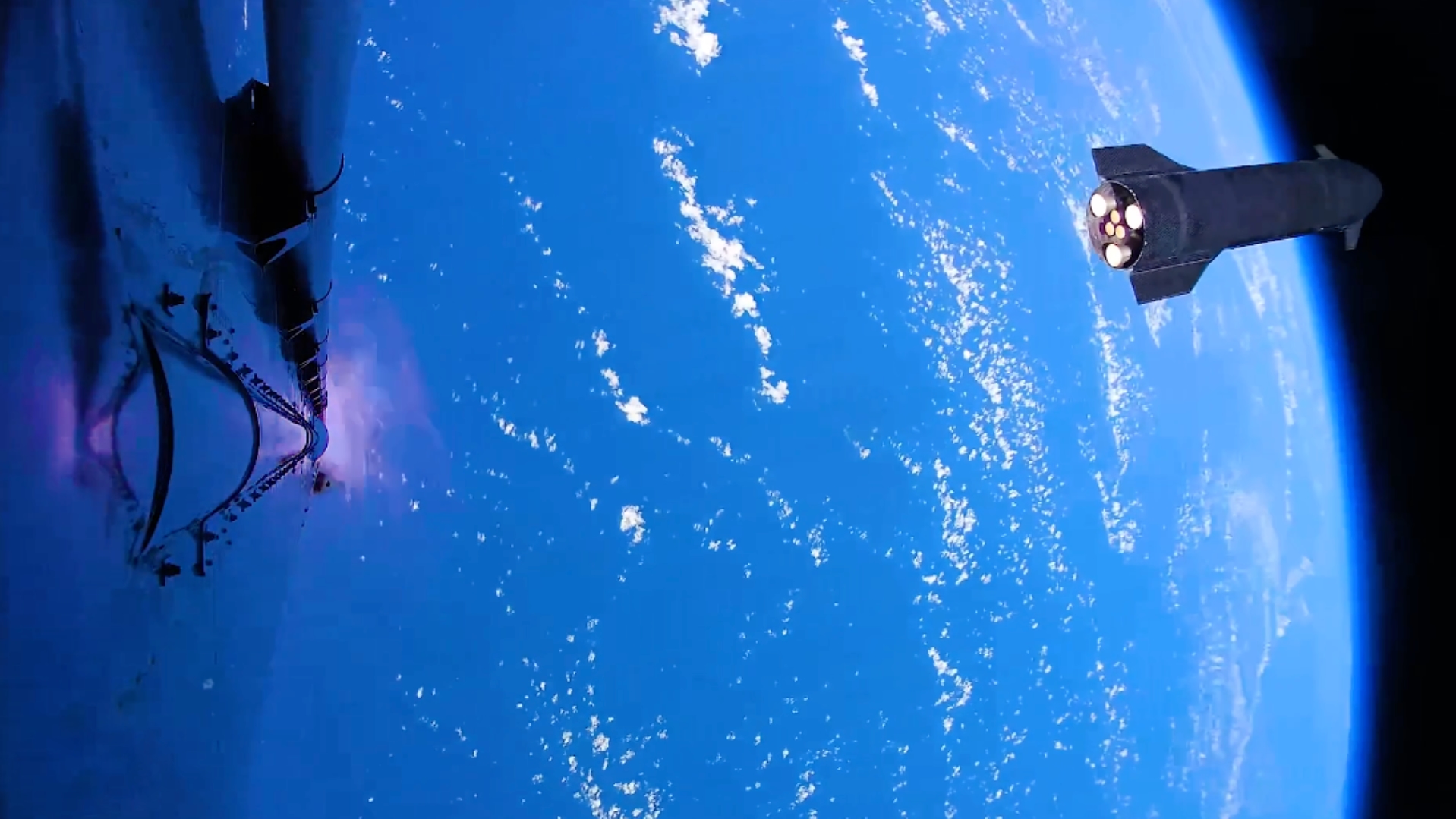
Technically, Stoke's unusual approach centers on full two-stage reusability for a conventional vertically stacked rocket: a first stage that returns to Earth in a manner broadly familiar from current reusable boosters, and an upper stage engineered to survive orbital reentry and return for reuse. Stoke claims the hydrogen-cooled metallic heat shield can support high reuse counts — Payload reports a company figure of 100 reuses for that hardware — and that Pathfinder flights through 2027–2028 will be used to learn rapidly and reduce risk before Block 2 enters service.
Commercial and national-security prospects are entwined in Stoke's roadmap. Payload notes that a successful Pathfinder flight would unlock Stoke's ability to compete for task orders under the U.S. Space Force's NSSL Phase 3 Lane 1 pool, where the program ceiling was tripled to $17 billion in July 2025 and roughly 170 missions are expected. Stoke's expansion of test and launch infrastructure, plus the upgraded vehicle family, are framed by the company as responses to growing launch demand and a constrained market for available launch slots.
Context and next steps: Stoke's Pathfinder first launch is scheduled for early 2027 and remains the immediate milestone. If successful, it would validate Stoke's liquid-hydrogen active-cooling approach to upper-stage reentry, enable competition for NSSL task orders, and provide flight data to accelerate Block 2 development toward a 2029 target. Stoke's near-term operations will include shipping first-stage hardware to Cape Canaveral, completing hot-fire campaigns at Moses Lake, and progressing integration and static-fire testing ahead of flight.
How this compares: NovΔ mAInd's launch database — By comparison, SpaceX in our launch tracker has 140 launches tracked with a 99.3% success rate, a first flight dated 2025-01-04 and the most recent on 2026-09-06, and a stated payload capability figure of 22800 kg to LEO. Stoke's Pathfinder is scheduled to attempt its first orbital flight in early 2027; it has not yet flown.
Stoke's aggressive fundraising and its technical choice to pursue full two-stage reusability place the company among a small set of firms aiming to move beyond single-stage reusable boosters. The coming months of ground testing, pad work at LC-14, and the first Pathfinder flight will be decisive in whether Stoke can translate heavy investment into operational capability and compete in a market increasingly focused on cadence, reusability and cost per kilogram to orbit.