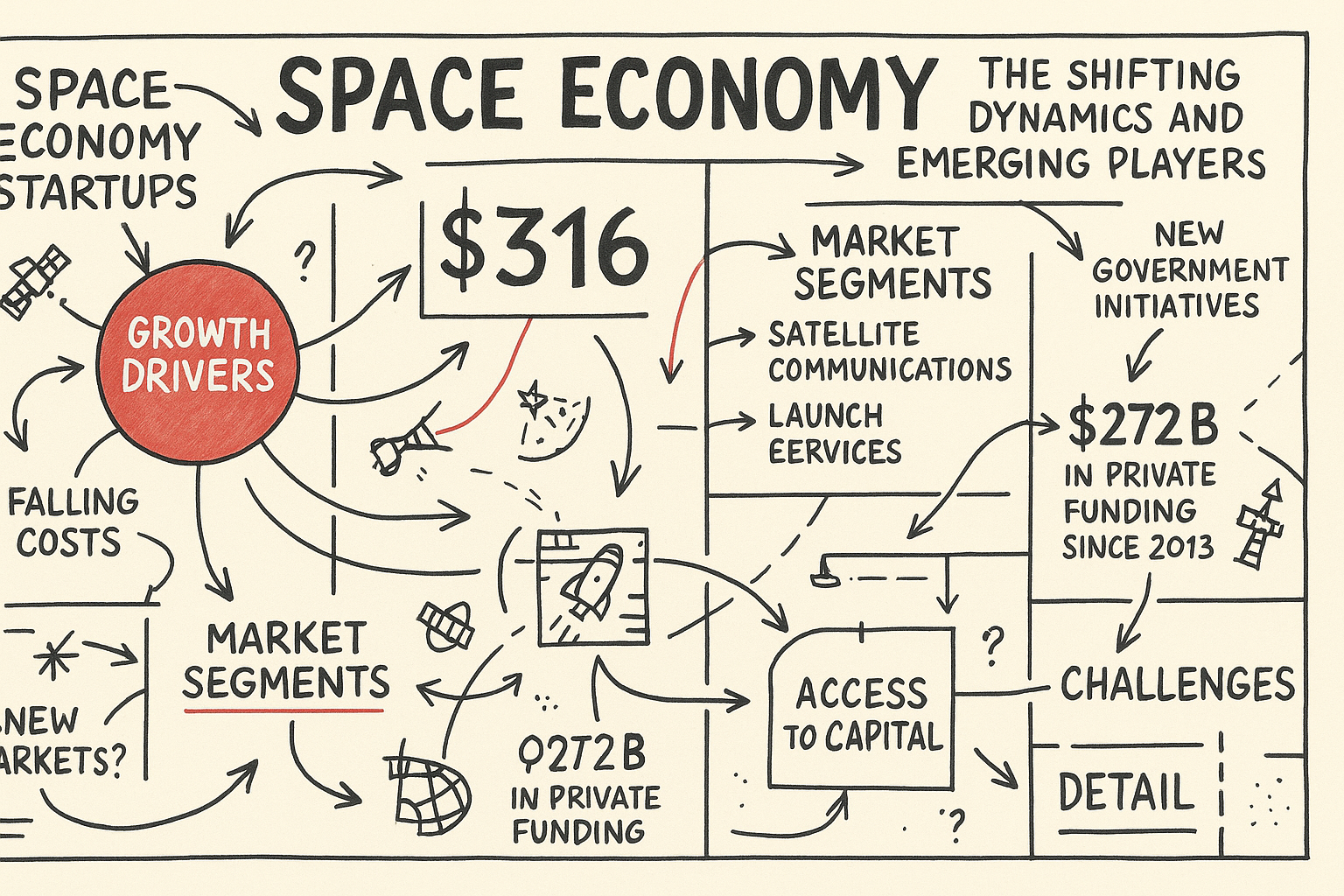
The space economy is undergoing a seismic shift, driven by the convergence of ambitious startups, global investment trends, and changing regulatory environments. A new generation of companies is challenging established giants, leveraging innovative financial strategies and technological advances to carve out their place in the cosmos.
One of the most striking developments is the strategy employed by Gravitics, a Seattle-based startup, which plans to enter the public market through a reverse merger with a shell company. This move, intended to fast-track its development of orbital carriers, underscores a broader trend of unconventional financial maneuvers within the space sector. The logic here is clear: access to capital markets can significantly accelerate technological progress and market penetration, particularly in an industry where upfront costs are notoriously high.
Similarly, Interlune's recent $5 million cash injection through a SAFE offering highlights a growing preference for flexible funding arrangements. This approach not only aids in lunar infrastructure development but also signals a shift from traditional venture capital models that dominate terrestrial startups. As these financial tools gain traction, they could democratize access to space entrepreneurship, enabling more players to enter the field.
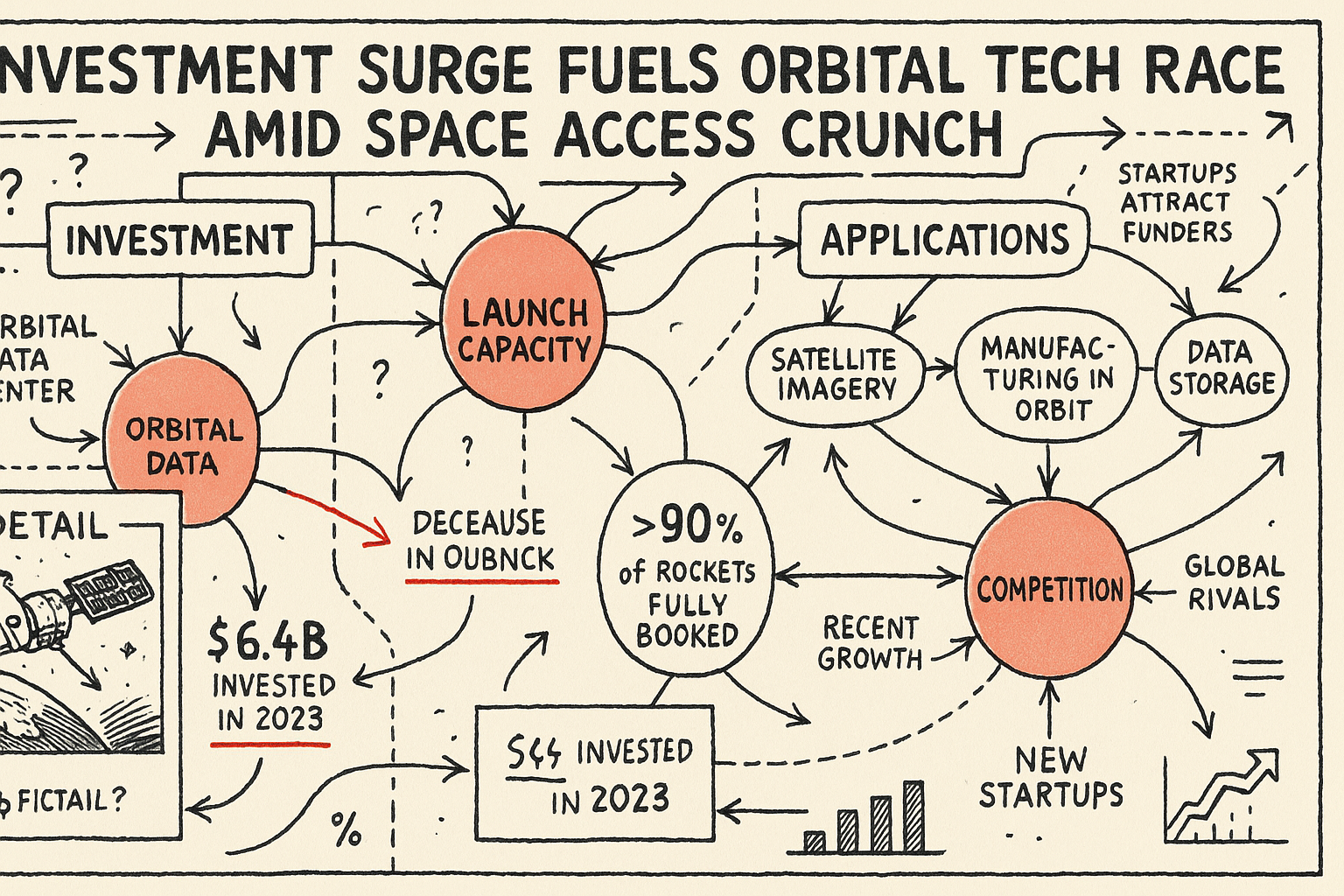
Adding to the competitive landscape, The Exploration Company has secured $450 million to challenge SpaceX. This massive Series C funding round, the largest ever for a European space firm, is emblematic of the increasing confidence investors have in the potential of new entrants to disrupt incumbents. With ambitions to construct reusable spacecraft, the company aims to reduce costs and increase the frequency of space flights, potentially redefining the economics of space travel.
Meanwhile, Cowboy Space's leasing of a vast facility in Kent, Washington, to manufacture hardware for orbital data centers, reflects a burgeoning interest in space-based infrastructure. As the demand for data continues to soar, the space economy is poised to become an integral component of global data management and processing capabilities.
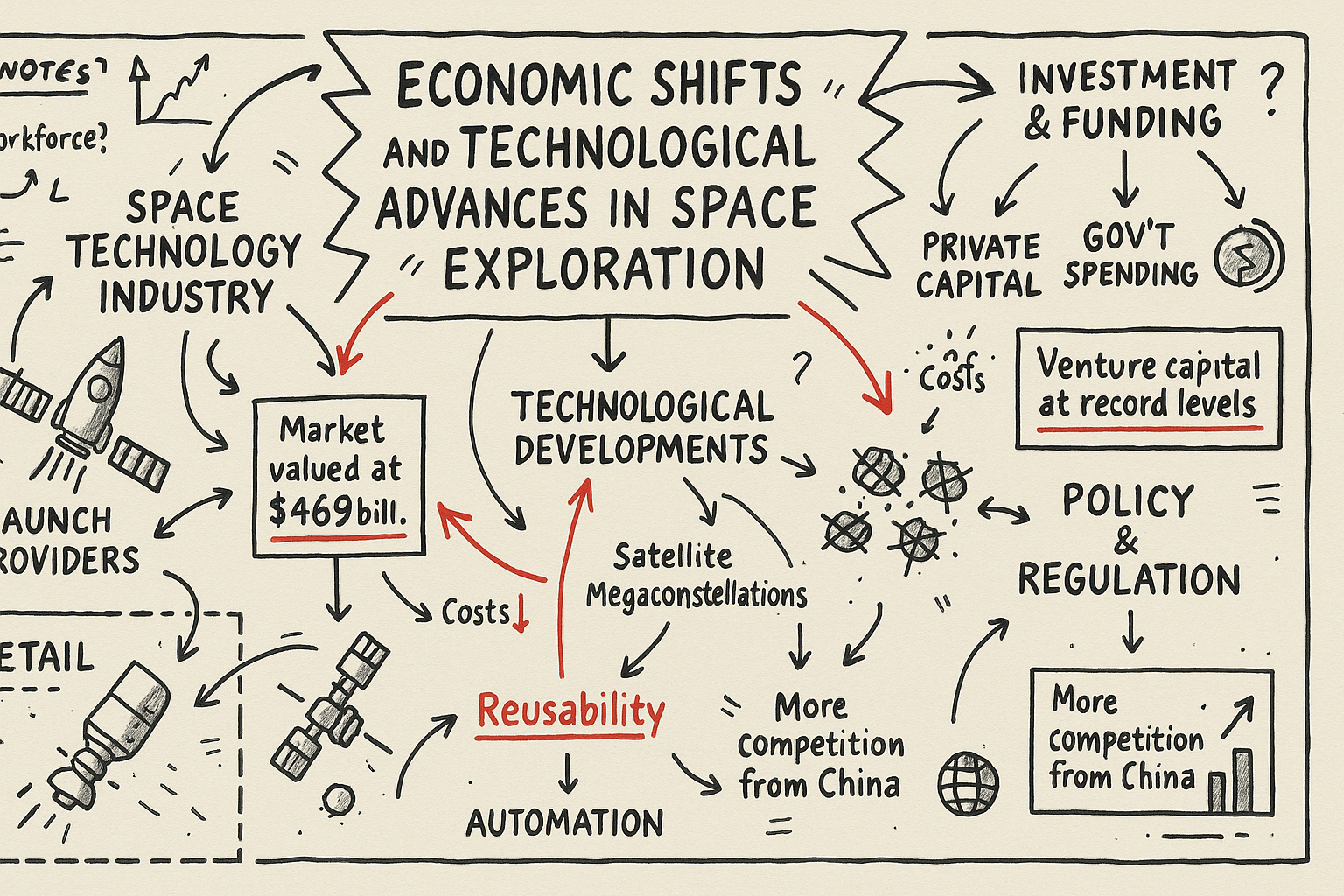
On the international front, China's commercial space sector is gearing up for public listings, spurred by new regulations that require rocket startups to achieve orbital flight as a prerequisite. This regulatory environment not only elevates the standards for entry but also intensifies the race among Chinese companies to achieve technological milestones.
One of the surprising elements of this evolving landscape is the decision by Valor Equity Partners to distribute SpaceX stock to its investors instead of traditional cash returns. This move suggests a confidence in the long-term appreciation of space assets, indicating a potential paradigm shift in how value is perceived in the space economy.
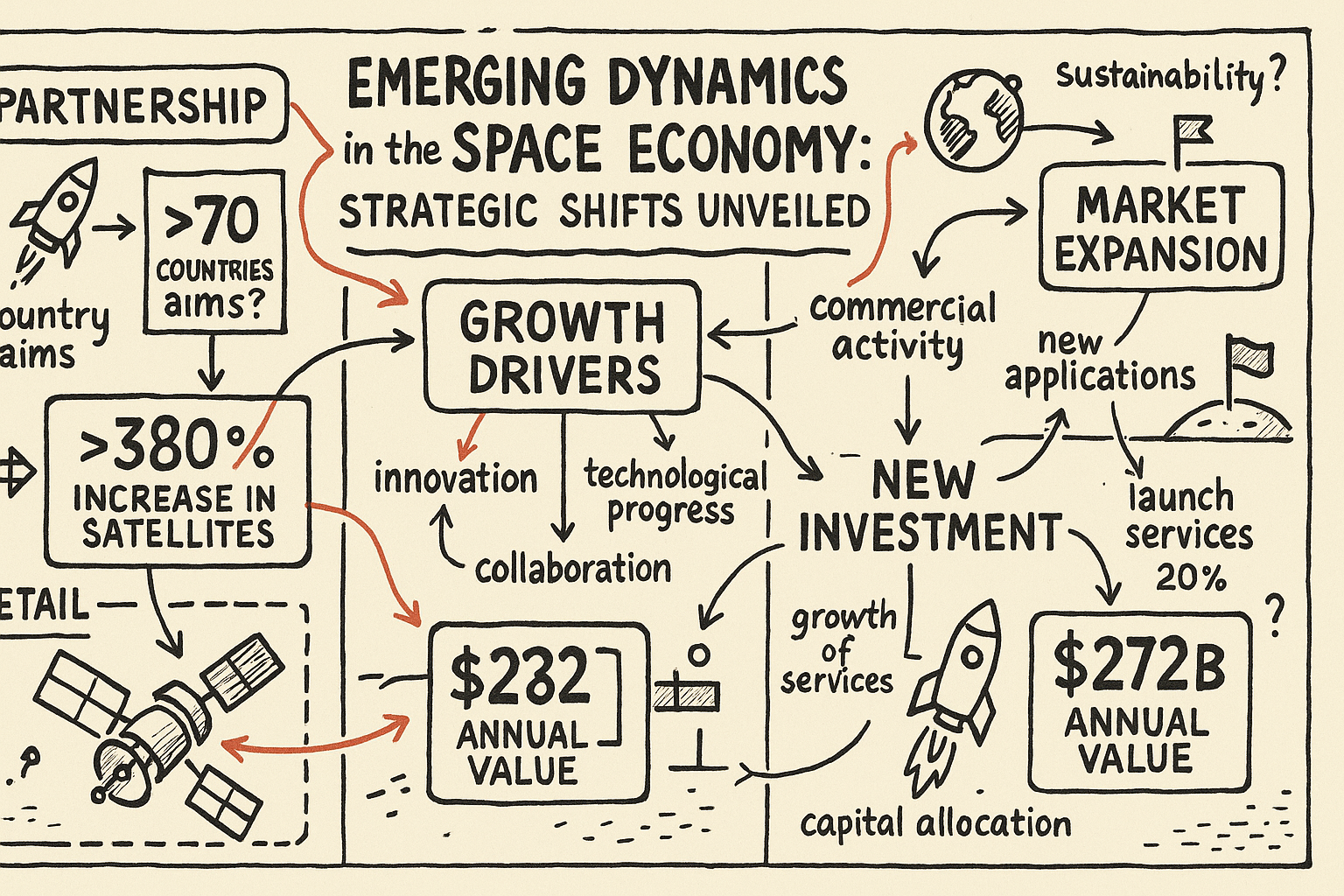
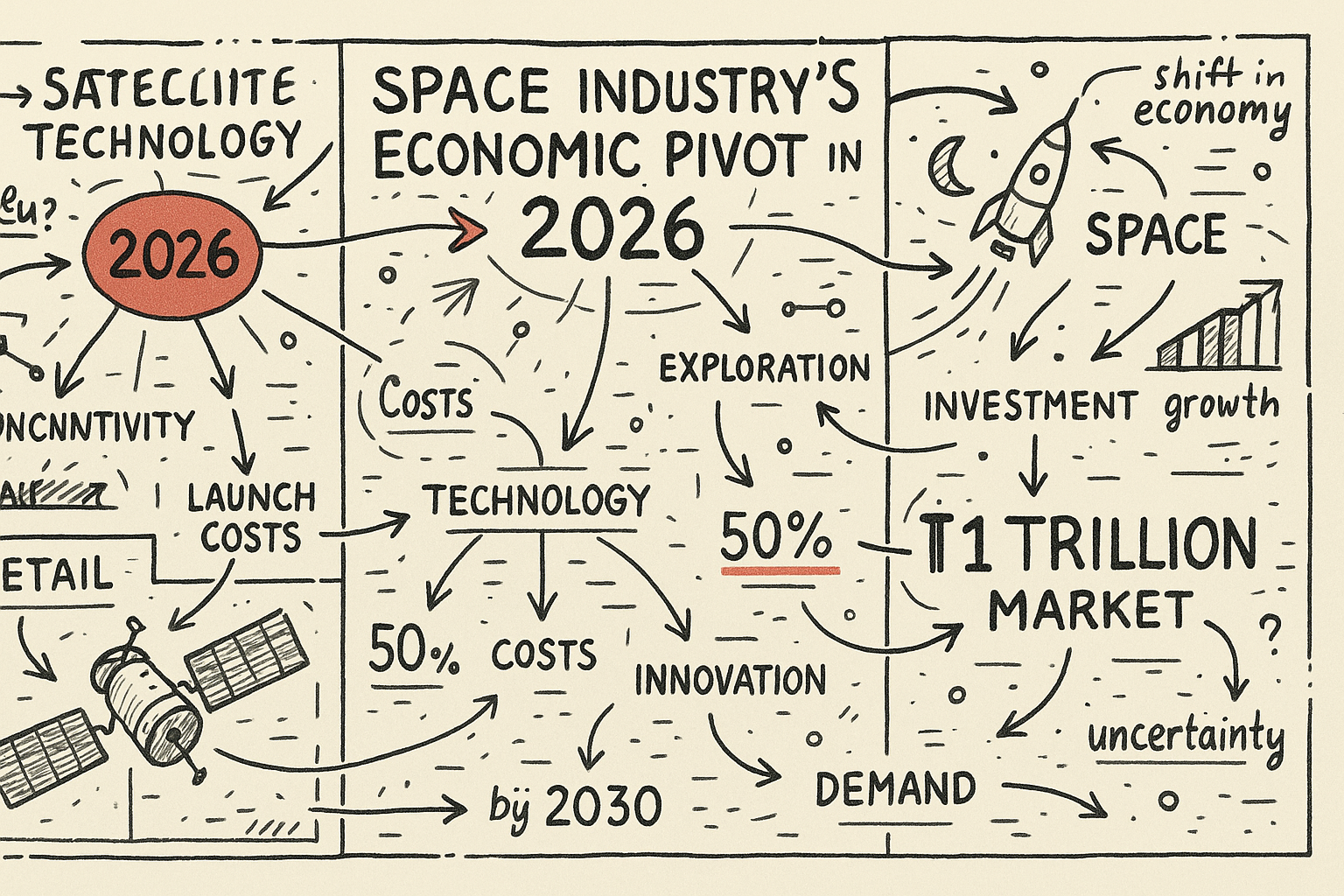
Looking ahead, the implications of these shifts are profound. As more companies achieve orbital capabilities and enter public markets, we can expect increased competition, innovation, and potentially, a decrease in the cost of space access. However, this rapid expansion also raises questions about the sustainability of these business models and the regulatory frameworks needed to manage a more crowded orbital ecosystem.
In conclusion, the space economy is at a crossroads, characterized by bold strategies and significant investment flows. As new players emerge and old models are challenged, the future of space commerce promises to be both dynamic and transformative.