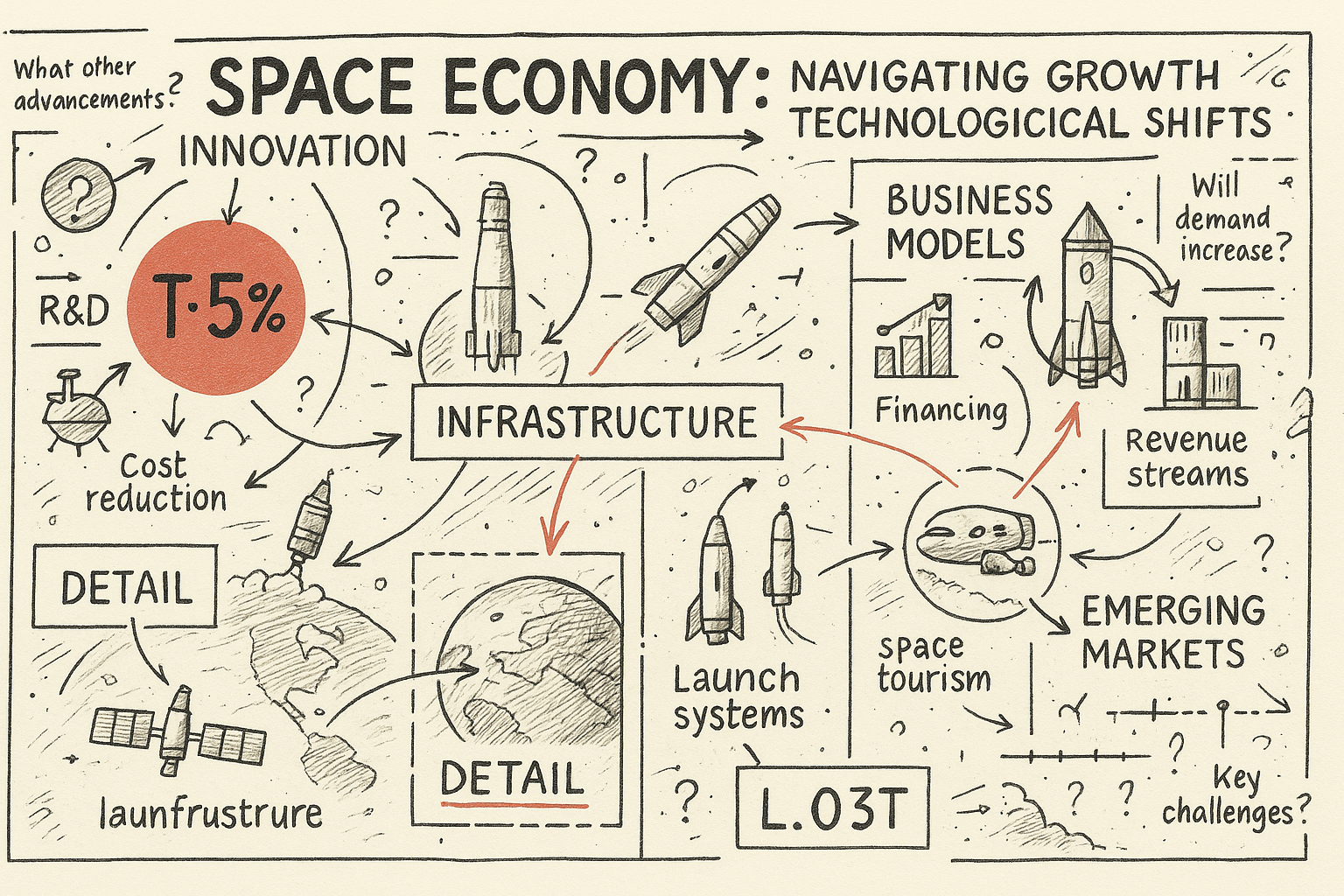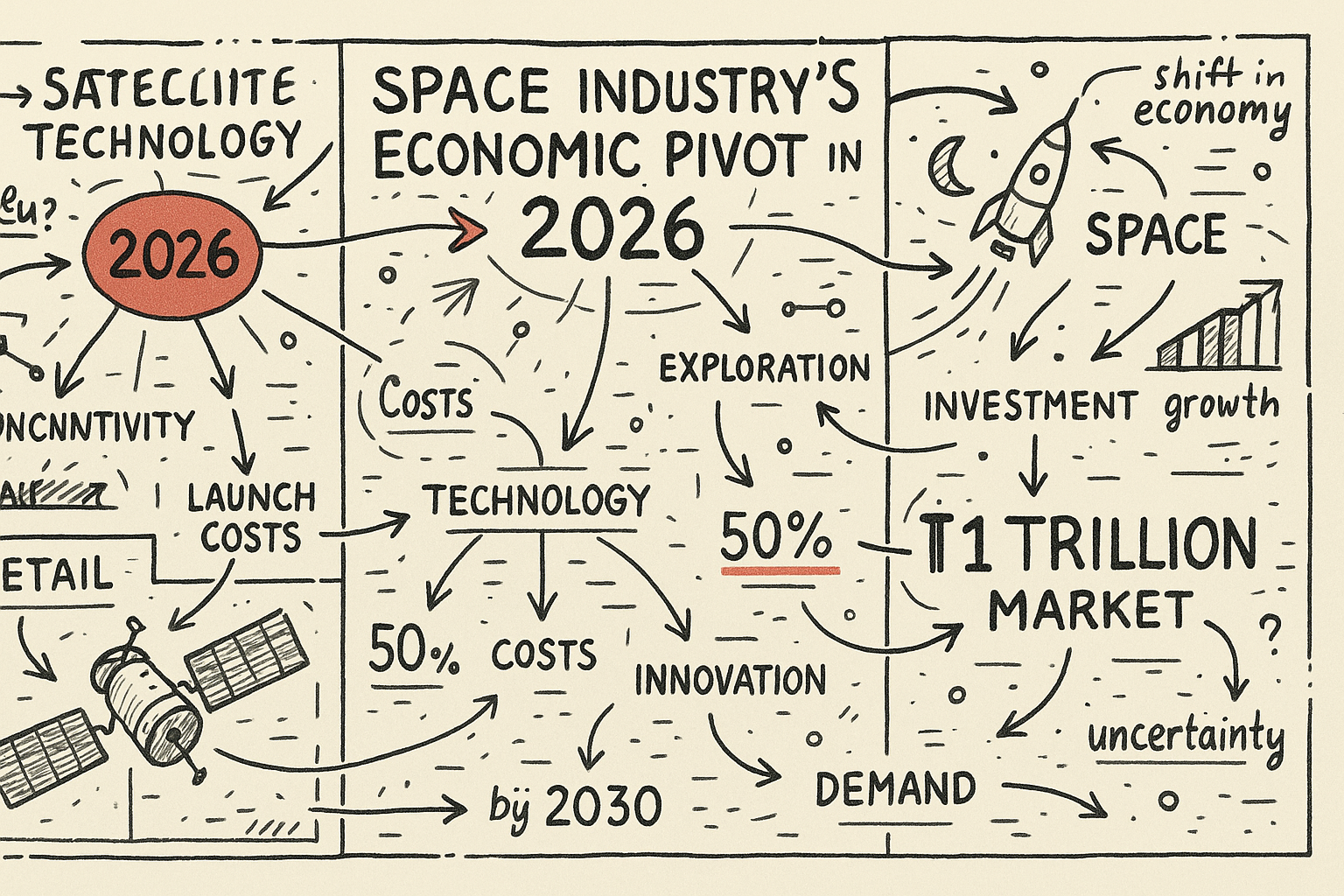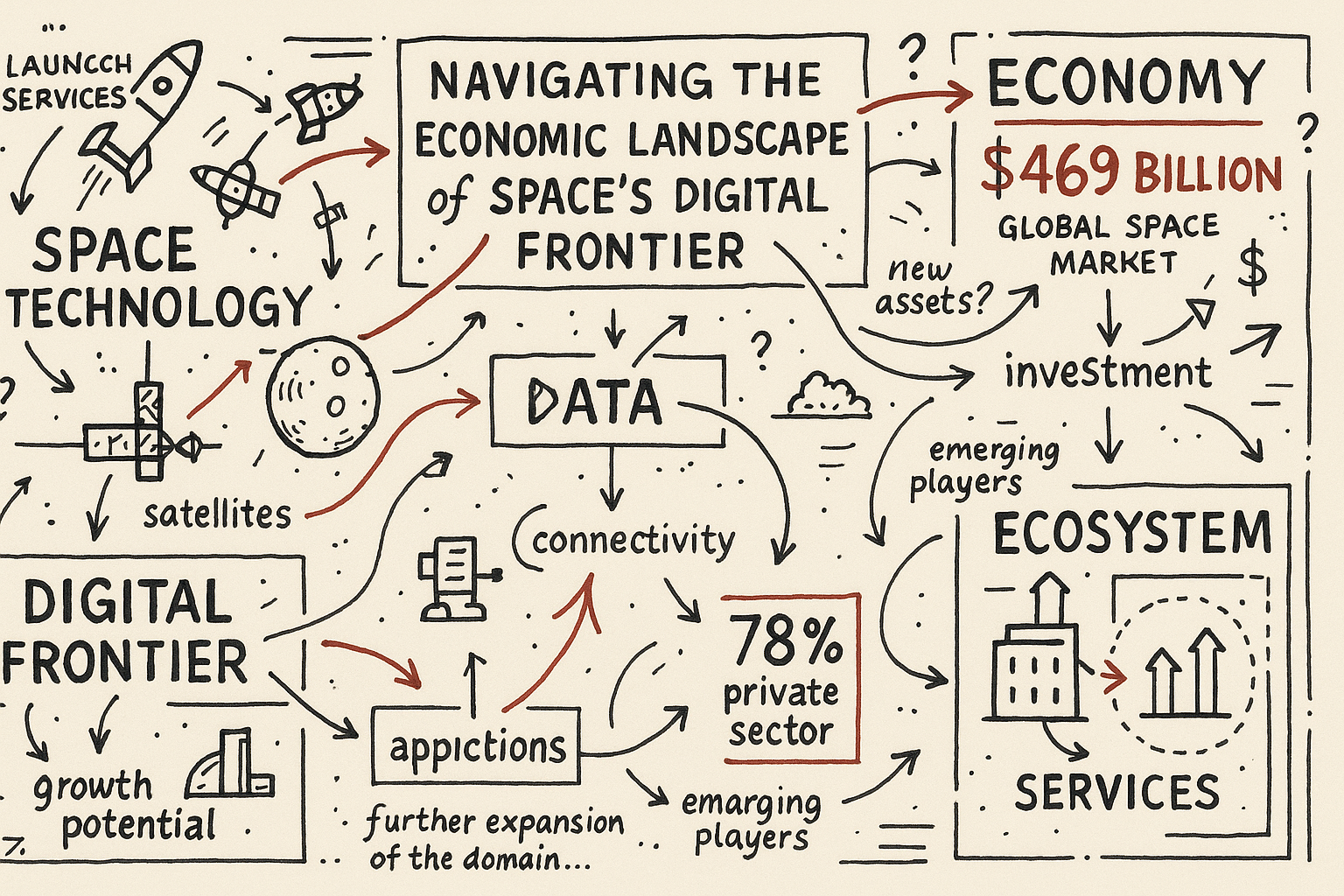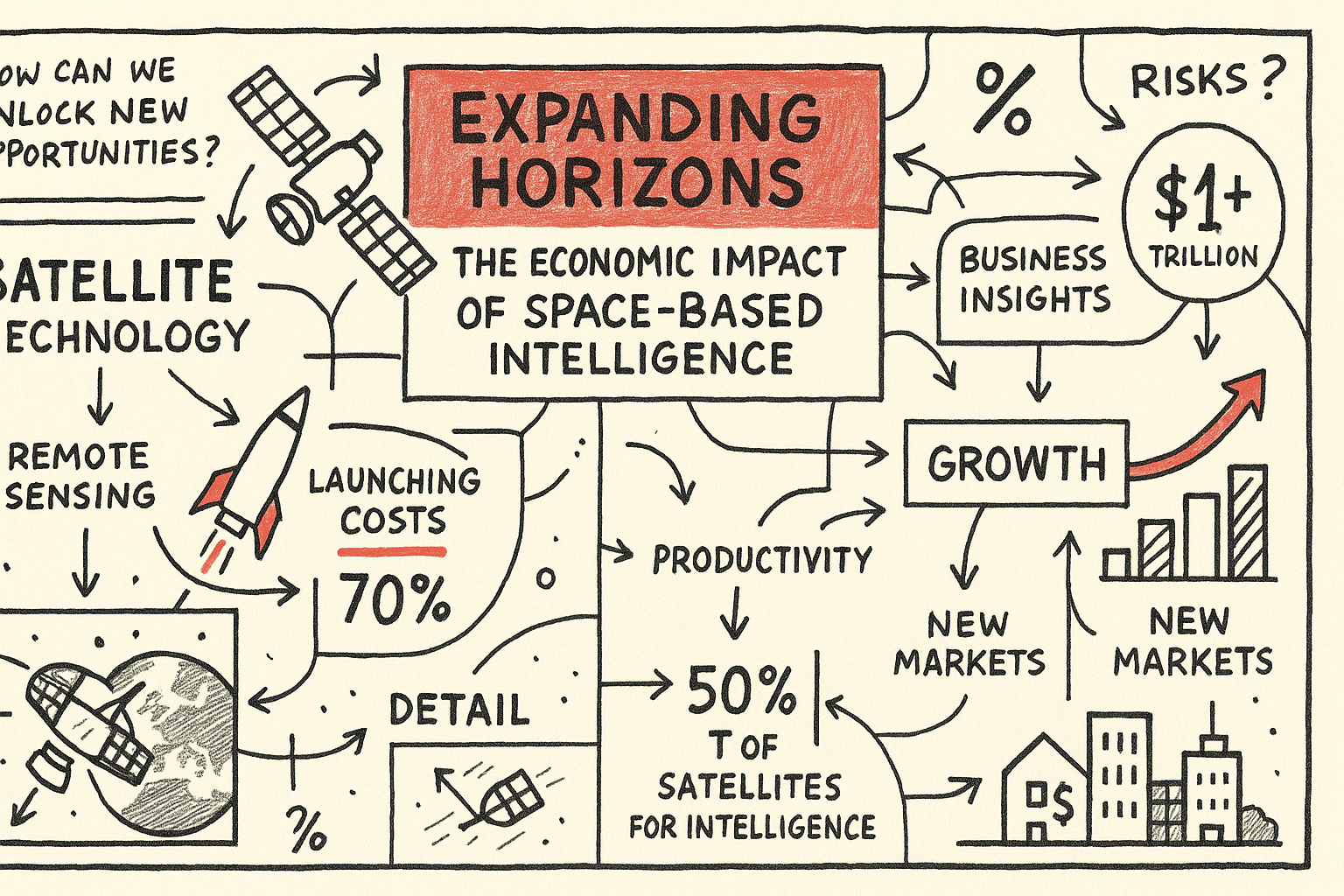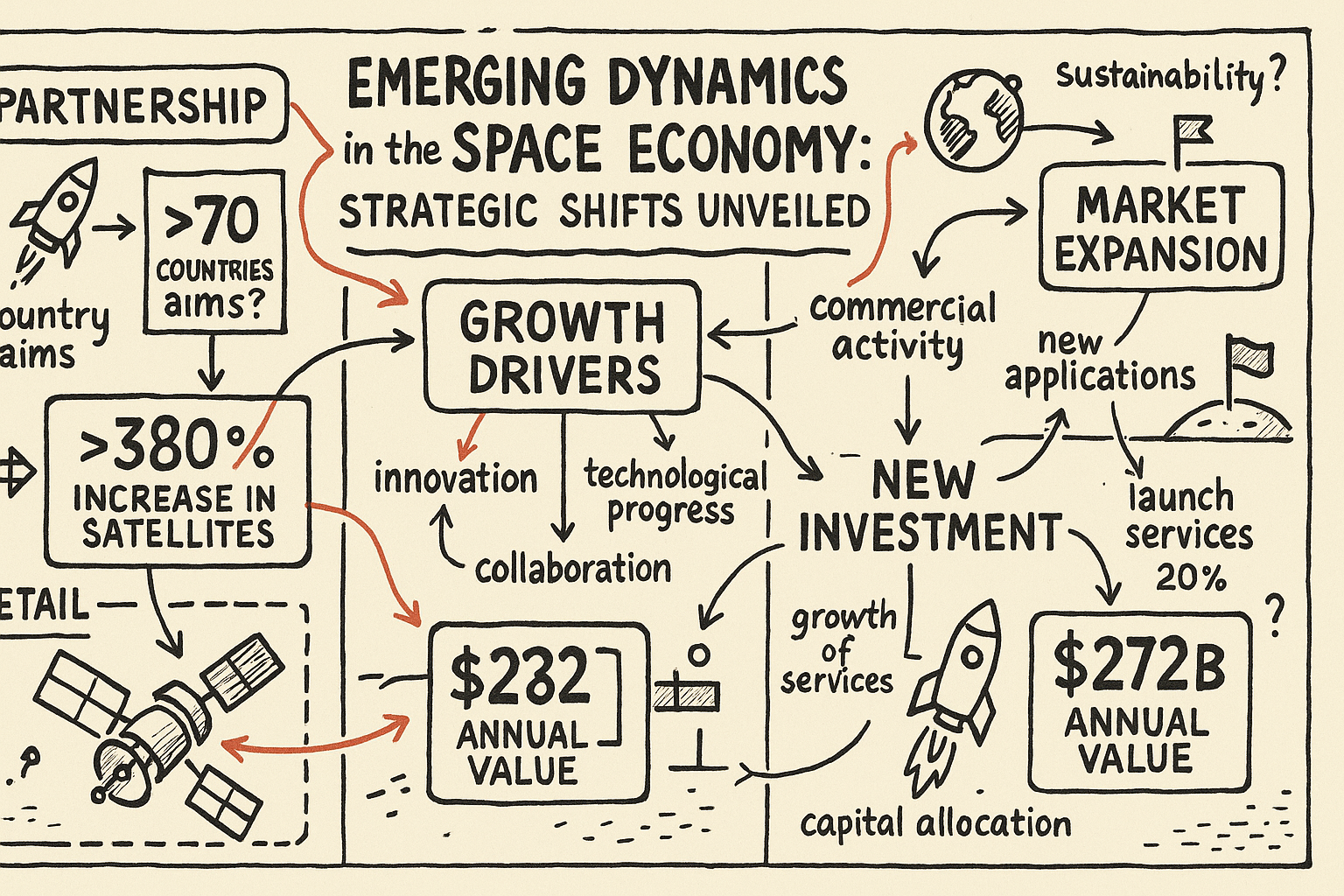
The space economy is witnessing a transformative phase, marked by strategic expansions, innovative partnerships, and evolving capabilities. As companies like SEOPS, Isar Aerospace, and SES navigate these developments, they are redefining the landscape of commercial space activities.
Expanding Horizons with Strategic Launches
In a significant move, SEOPS has acquired five launches from Isar Aerospace, signaling a robust partnership aimed at enhancing rideshare capabilities. This aligns with the broader trend of increasing accessibility and reducing costs in satellite launches, a sector that has seen rapid developments since the inception of Arianespace in the late 1970s. The historical context reveals how Arianespace's pioneering efforts laid the foundation for today's burgeoning commercial launch services.
The focus on expanding launch capabilities is further exemplified by Hydrosat's ambitious Osiris constellation, set for a 2027 launch. This constellation promises to deliver enhanced Earth observation data, merging technological innovation with practical applications.
Technological Innovations and Market Expansion
SES, a key player in the satellite industry, is at a critical juncture, poised for growth through strategic shifts that include manufacturing capabilities and partnerships. The launch of SES CORE—a platform designed for next-generation broadcasting—underscores the company's commitment to innovation and market leadership.
Moreover, SES's partnership with Elveo Mobile to develop mobile roaming capabilities highlights a growing trend towards integrating space-based technologies with terrestrial networks. This integration is crucial for enhancing connectivity across various sectors, including defense and institutional applications.
Investment and Infrastructure Development
Investment in the space sector is robust, as demonstrated by Open Cosmos's successful $346 million funding round aimed at expanding manufacturing and government services in Europe. This influx of capital reflects growing confidence in the sector's potential to drive economic growth and technological advancement.
The collaboration between Simera Sense and IDOM to develop the xScape350 optical system further illustrates the increasing demand for high-resolution Earth observation imagery. This demand is driven by sectors such as agriculture, urban planning, and environmental monitoring, where accurate data is crucial for informed decision-making.
Surprising Insights and Future Trajectories
A counterintuitive insight emerges from the strategic partnerships and expansions: rather than solely focusing on technological advancements, companies are increasingly prioritizing collaborations and infrastructure development to achieve sustainable growth. This reflects a shift from the traditional narrative that innovation alone drives success in the space economy.
Looking ahead, the space economy is set to play a pivotal role in addressing global challenges, from climate change to connectivity gaps. The strategic shifts and investments observed today are laying the groundwork for a more integrated and resilient space ecosystem.